

Occupational Hygiene specialises in identifying, measuring, and controlling workplace contaminants and environmental factors – such as noise, vibration, and radiation – that could adversely affect employee health. Our focus is on monitoring and managing the working environment to ensure all exposures remain as low as reasonably practicable and fully compliant with legal standards.
Trusted by over 3,800 businesses










Ensuring Safe and Compliant Work Environments
The identification, measurement and control of contaminants and other phenomena such as noise, vibration, and radiation, which would otherwise have unacceptable adverse effects on the health of people exposed to them.
It is concerned with the monitoring and control of the working environment to ensure that contaminants are kept under control to as low as is reasonably practicable and in all cases, to a level below the current appropriate legal exposure standard or limit.
Latus Hygiene team has a comprehensive experience across a wide range of industries ensuring that appropriate control is achieved without undertaking unnecessary measurements or excessive disturbance in the workplace.
There are essentially five phases to achieve effective control:
Identification of the hazard.
Identification is undertaken via research or initial level measurements using a variety of spot-checking devices such as chemical reagent tubes or direct reading instrumentation.
Measurement and evaluation of the hazard compared to current hygiene standards.
A wide range of equipment is available to measure individual exposure usually conveniently positioned on the individual whilst undertaking their tasks. Then the evaluation of risk levels to those exposed will determine the prevention and control strategy.


The selection of an appropriate prevention and control strategy.
Whenever an unacceptable risk is identified then exposure might be eliminated through working with the client to identify appropriate equipment to isolate to restrict exposure or control the hazard at source .
Implementation of the control strategy.
This is usually undertaken via a change in process, coupled with the provision of information, better supervision along with training and instruction of the process operatives.
Monitoring on a regular basis to ensure that hygiene standards are maintained.
Once implemented regular testing of control equipment, measurement of hazard levels and health surveillance may be utilised to maintain control
Download our Free Guide
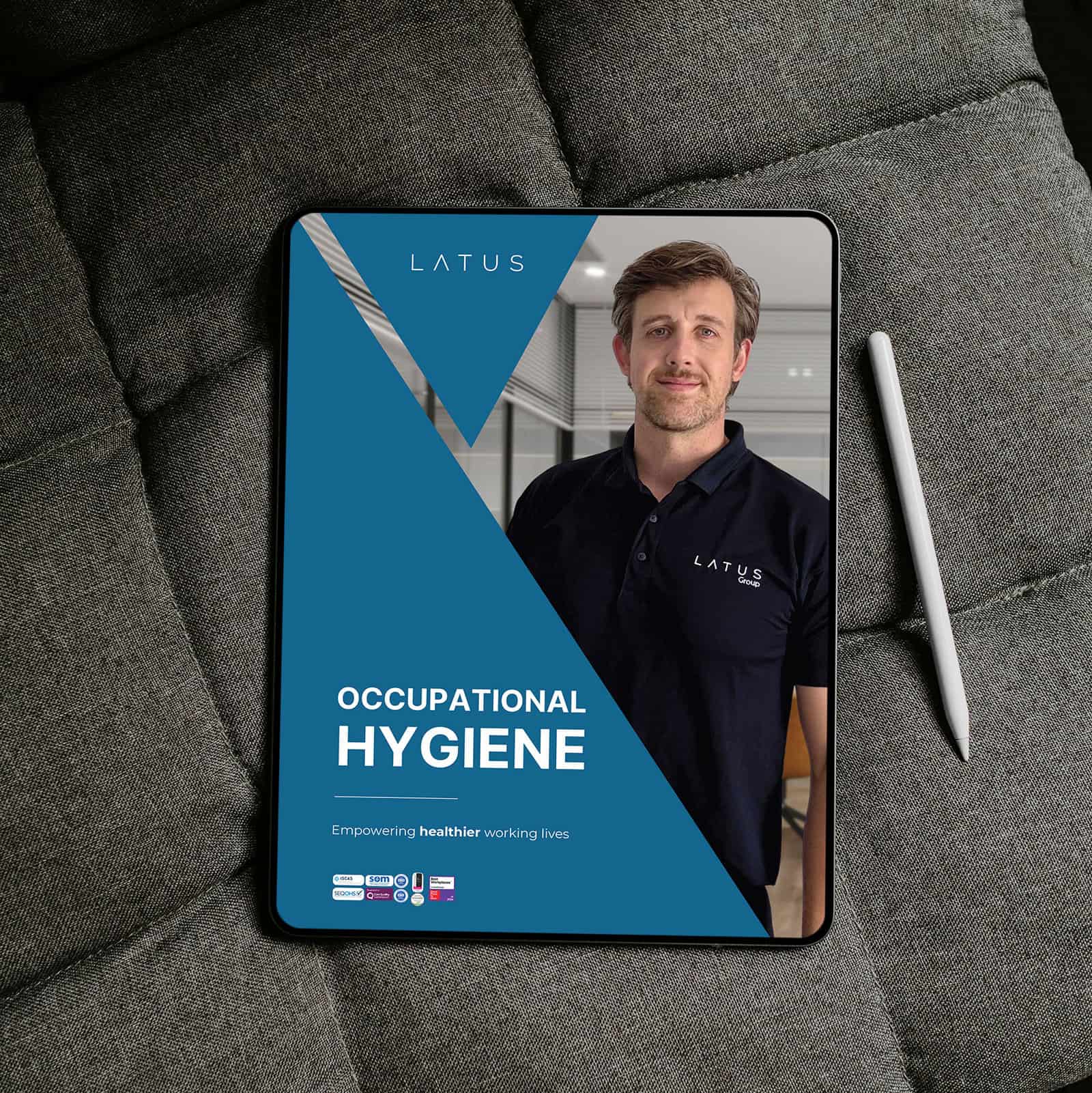
Guide to Occupational Hygiene
Protecting employees through proactive, nationwide health surveillance that prevents risks and promotes workplace wellbeing.
Let’s Get You Started
Our occupational hygiene specialists will guide you from first contact to full deployment without the jargon, delays, or disruption. Complete our quick form and our team will be in touch.
 Sector specific expertisePersonalised partnership tailored to your needsPackages suited to your industry requirementsBespoke account management modelFocus on Data, Sustainability & InnovationLargest Mobile Medical Fleet in UKOnly UK provider to offer Mobile Chest X-RayHundreds of Technicians working across UK & ROI