
Staying compliant with workplace health and safety regulations isn’t just a legal necessity, it’s a fundamental part of protecting your people. Latus Group Health Surveillance services go beyond the basics, offering sector-specific assessments designed to detect and prevent work-related ill health before it becomes a problem.
Trusted by over 3,800 businesses









More than compliance, for peace of mind and a healthier workforce
Health Surveillance is a system of ongoing health checks for disease that may be caused by work activities. The checks are required by law for employees who are exposed to noise, vibration, ionising radiation, solvents, lead, fumes, dusts, biological agents and other substances hazardous to health.
We offer:
- Targeted Health Surveillance on-site at your workplace
- Convenient and hygienic Mobile Health Units fitted with Audiometry booths
- Bespoke Portal system to support management of information
- SEQOHS accredited
Health Surveillance Programmes
We deliver Health Surveillance programmes that systematically monitor the health of employees exposed to specific workplace risks, fully aligned with Health and Safety Executive (HSE) legislative guidance. Through regular health checks and assessments, we detect early signs of work-related ill health, ensuring any issues are swiftly identified and managed.
Audiometry:
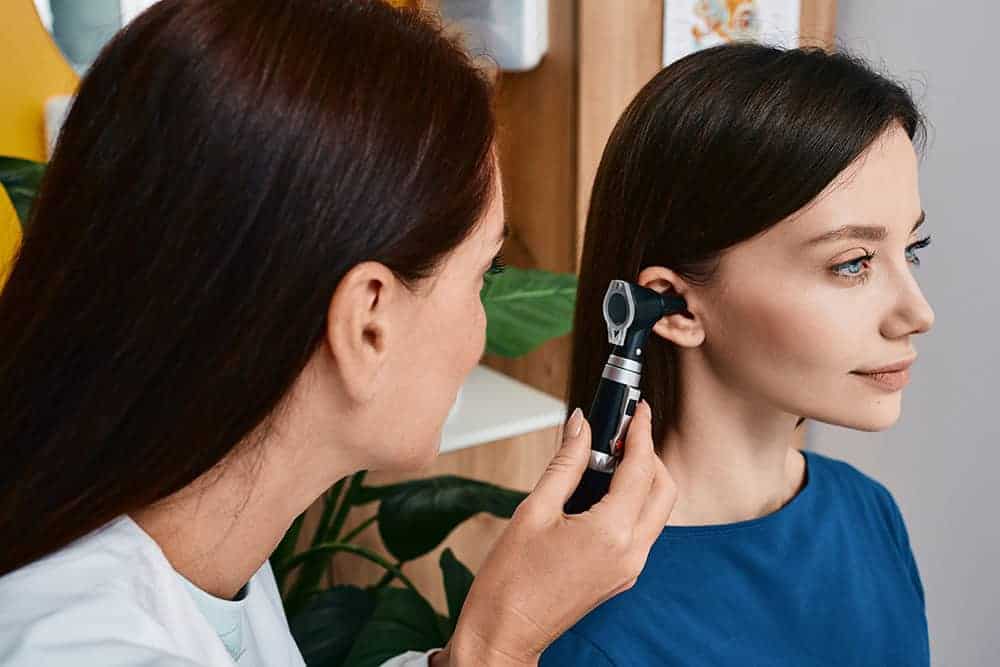
Audiometry is a test that checks a person’s hearing ability. It’s necessary for workers who are regularly exposed to high noise levels in the workplace. The test usually takes around 15-20 minutes and involves the person wearing headphones and responding to various tones and frequencies. Roles that commonly require this assessment include construction workers, factory employees, and musicians. A construction worker, for example, would have an audiometry test to monitor for any hearing loss resulting from prolonged exposure to loud machinery like drills or jackhammers.
Spirometry:
A spirometry test measures how much air a person can inhale and exhale, and how quickly they can exhale. This medical is crucial for employees exposed to airborne hazards like dusts (e.g., flour, wood), fumes (e.g., from welding), and other respiratory irritants. It typically takes about 15-20 minutes. Jobs that often require this test include bakers, carpenters, welders, and stonemasons. For instance, a baker would need a spirometry test to check for signs of occupational asthma caused by exposure to flour dust.

HAVS:
A HAVS assessment evaluates a worker’s hands and arms for signs of damage caused by vibrating tools. Symptoms can include numbness, tingling, and blanching of the fingers. This medical examination is for employees who frequently use vibrating hand-held tools such as drills, chainsaws, or jackhammers. The assessment can take up to 30 minutes, and typically involves a questionnaire and a physical examination to check for vascular and neurological symptoms. An example would be a groundskeeper who regularly uses a hedge trimmer and needs a HAVS assessment to ensure they haven’t developed any symptoms from the tool’s vibration.

Asbestos:
Anyone who works with or is exposed to asbestos fibres during the course of their job is legally required to undergo regular asbestos medicals. This applies to both licensed and non-licensed asbestos work. The first medical must be completed before starting work with asbestos, and then every two years thereafter, or sooner if there are any health concerns.
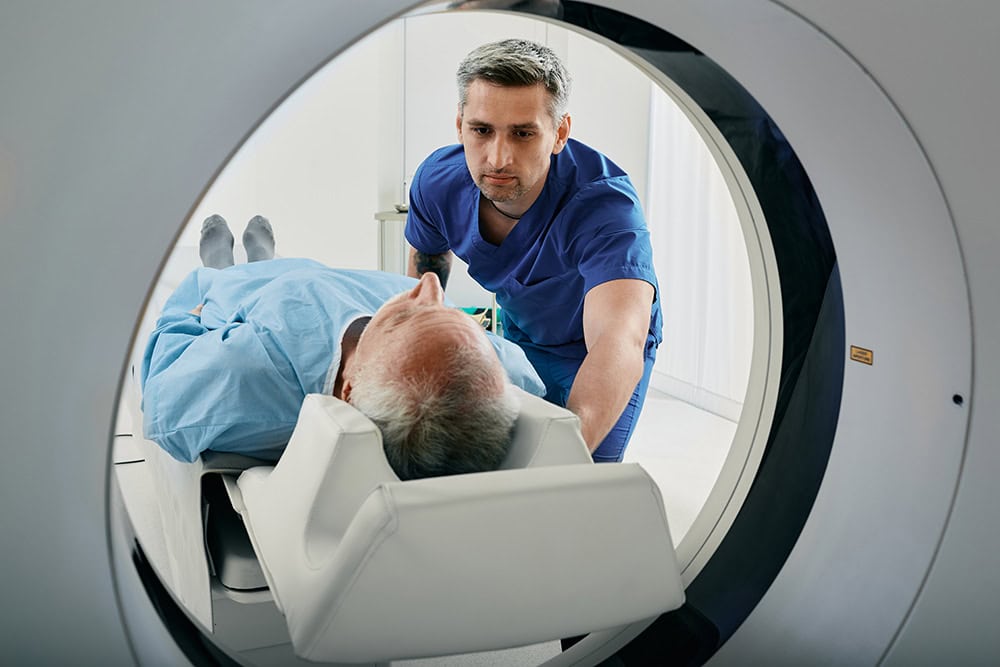
Ionising Radiation:
You need an ionising radiation medical because exposure to high levels of this type of radiation can cause serious health effects, including a long-term increased risk of cancer and, at very high doses, acute tissue and organ damage.
This medical provides a vital safety net, ensuring that your exposure levels are being correctly controlled and that your health is not being adversely affected.

Blood Lead:
A Blood Lead Medical protects employees who work with or are exposed to lead and its compounds in the workplace. This medical is critical for monitoring the body’s lead levels and ensuring exposure remains within legal and safe limits, thus preventing long-term health damage.
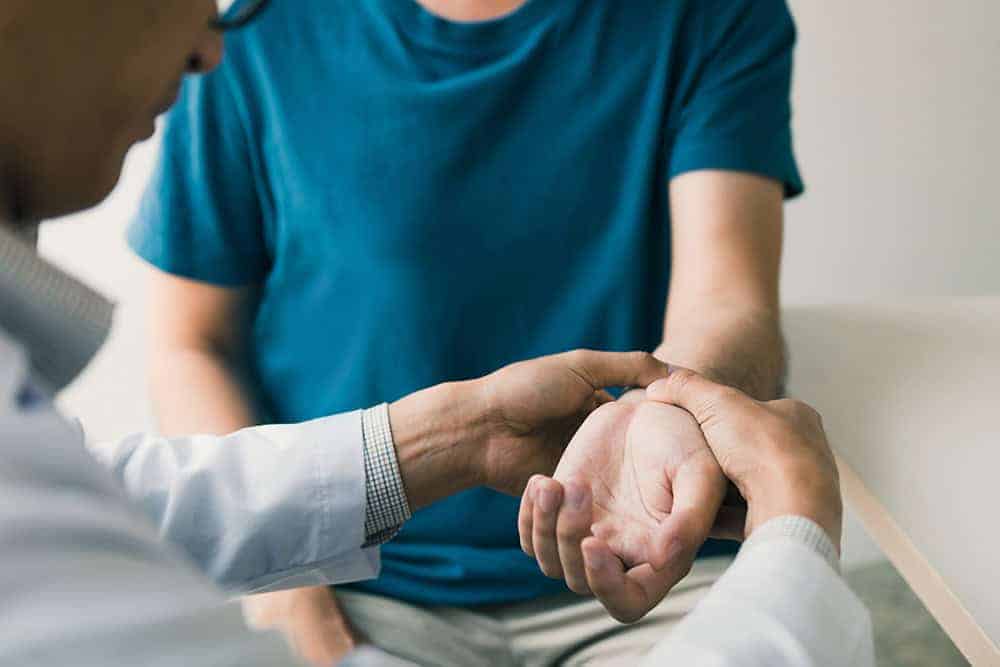
Skin Assessment:
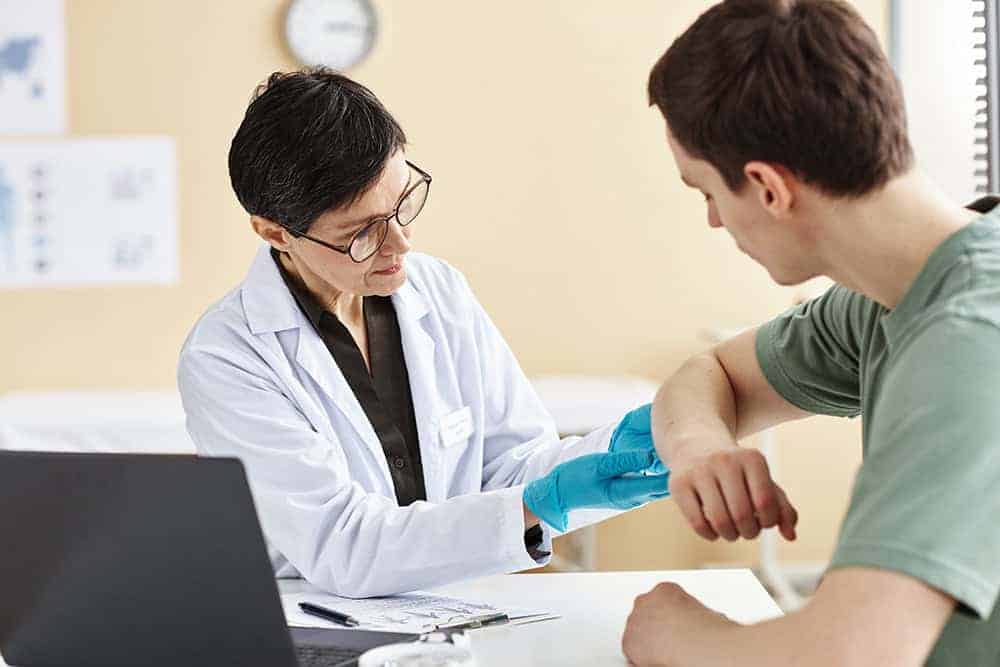
A skin assessment is performed to check for signs of work-related skin conditions like dermatitis. It’s required for employees who are regularly in contact with skin irritants or sensitizers, such as chemicals, oils, or cleaning agents. This medical is quick, usually taking about 10-15 minutes, and involves a visual inspection of the skin and a brief discussion about any symptoms the worker may have. Jobs requiring this include hairdressers, cleaners, and mechanics. A cleaner, for example, would have a skin assessment to check for dermatitis caused by frequent exposure to harsh cleaning chemicals.
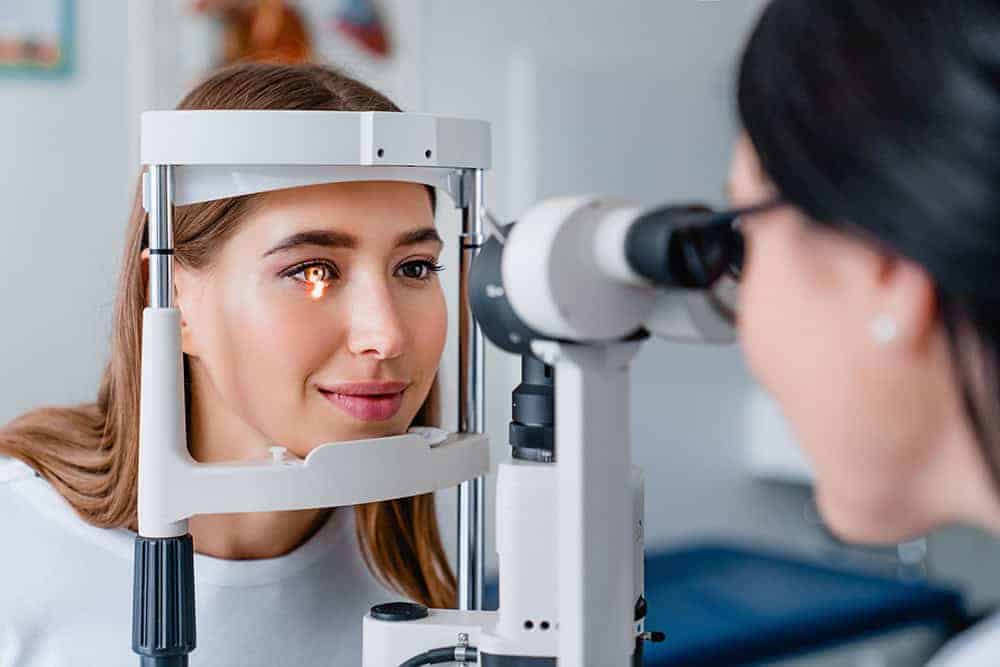
Vision Assessment:
A vision assessment is a medical check to ensure an employee’s eyesight is adequate for their job, especially for tasks that require close-up work or clear long-distance vision. This is particularly important for jobs that involve using display screen equipment (DSE) for prolonged periods or for tasks that are safety-critical. The test typically takes around 10-15 minutes and checks for visual acuity, color vision, and other factors. It’s required for roles like lab technicians, office workers using computers, and drivers. For example, a lab technician would need a vision assessment to ensure they can accurately read and work with small samples and equipment.
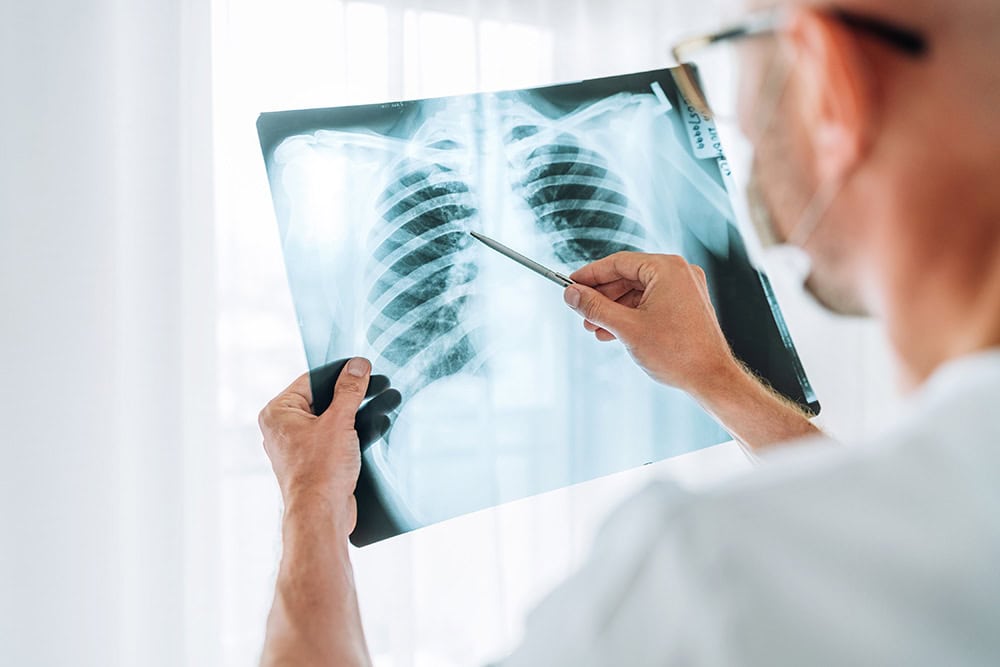
Mobile Chest X-Ray:
HSE guidance recommends health surveillance for workers exposed to respirable crystalline silica (RCS)—fine silica dust found in construction, stonework, and manufacturing. Employers are responsible for involving a health professional and considering chest X-rays to screen for conditions like silicosis.
Mobile Health Unit’s
Introducing our Mobile Health Unit’s, providing unparalleled convenience and flexibility for your occupational health needs.
Our custom-fitted mobile units are fully equipped clinics on wheels, bringing our expert team and comprehensive services directly to your workplace. This innovative approach significantly reduces the time and cost associated with off-site appointments, minimising disruption to your workforce and maximising productivity.


Do I need Health Surveillance?
Health Surveillance is required if:
- Work is known to damage health in some particular way and it is reasonably likely that damage to health may occur under particular conditions at work.
- There have been previous cases of work-related ill health in the workforce/place.
- Where there is a reliance on PPE, e.g. gloves or respirators, as an exposure control measure; e.g. printers wearing gloves to protect against solvents used during press cleaning, or paint sprayers using two-pack paints wearing respirators to prevent asthma. Even with the closest supervision there is no guarantee PPE will be effective at all times.
- Where there is evidence of ill health in jobs within the industry; e.g. frequent or prolonged contact with water (termed wet-working) causing dermatitis in hairdressers and healthcare workers, or breathing in mists from chrome plating baths causing chrome ulcers in platers.’
The need for health surveillance should be identified by your risk assessment process.
Identify your health risks
Latus Group’s Occupational Hygienists and Specialist Health Nurse Practitioners will support you in completing a health risk matrix which will identify your health risks and the groups of employees that are exposed. This will target your health surveillance programme appropriately, minimise health risks and avoid unnecessary costs.
The objectives of health surveillance are to:
- Check the health of individual employees by detecting, as early as possible, adverse changes which may be caused by exposure to substances hazardous to health
- Collect, keep and use data and information for determining and evaluating hazards to health so that action can be taken to prevent more serious disease from developing
- Check control measures are working effectively by providing feedback on the accuracy of the risk assessment and the effectiveness of control measures to identify where further steps to manage risk are needed.
Download our Free Guides
Step by Step guides to implementing a Health Surveillance Programme.

Health Surveillance Brochure
Protecting employees through proactive, nationwide health surveillance that prevents risks and promotes workplace wellbeing.
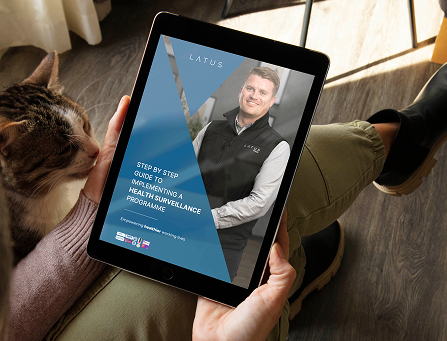
Implementing a health surveillance programme
Step-by-step guidance to design, implement, and maintain effective, compliant health surveillance across your workforce.
Let’s Get You Started
Our occupational health specialists will guide you from first contact to full deployment without the jargon, delays, or disruption. Complete our quick form and our team will be in touch.
 Sector specific expertisePersonalised partnership tailored to your needsPackages suited to your industry requirementsBespoke account management modelFocus on Data, Sustainability & InnovationLargest Mobile Medical Fleet in UKOnly UK provider to offer Mobile Chest X-RayHundreds of Technicians working across UK & ROI