

Introducing our Guide to Occupational Health. Our experts are here to help you implement an occupational health programme for your organisation, whether you are starting from scratch or building on your existing plan. We can guide you every step of the way.
What is Occupational Health?
Occupational Health (OH) is a specialist service that helps employers protect employee health, reduce absence, and make sure work isn’t harming people. OH sits at the point where health meets work, supporting both the organisation and the individual with practical recommendations that are fair, lawful, and workable.
At its core, OH helps you answer questions like:
- Is this person medically fit to do this role safely?
- Is work contributing to the health issue – or making it worse?
- What adjustments would help someone stay in work or return safely?
- What workplace health risks should we monitor?
- How do we reduce ill health, claims, and downtime – while improving wellbeing?
OH is relevant in all sectors and for all sizes of businesses, no matter how big or small. Latus Group specialises in OH for multiple sectors, including but not limited to construction, automotive, aviation, offshore and manufacturing, and our OH is positioned as a responsive, personal service that helps businesses stay compliant while improving employee health – not just “ticking boxes”.









How does Occupational Health differ by Industry?
A strong OH programme is never one-size-fits-all. It’s built around your hazards, job roles, workforce profile, and operating environment. The “right” OH programme starts with understanding your people, roles and risks – then selecting the correct blend of surveillance, clinical support, and prevention.

Construction
High exposure to manual handling, vibration, noise, dusts/respiratory hazards, solvents, welding fume, and safety-critical working. OH often focuses on:
- Health surveillance aligned to key hazards (e.g., HAVS, noise, respiratory)
- Safety-critical fitness assessments (where appropriate)
- Early MSK intervention and rapid triage
- Drug & alcohol policy support/testing where required by site rules

Manufacturing
Often involves machinery, repetitive tasks, shift work, noise, vibration, chemicals, and production pace. OH commonly includes:
- Role-based health surveillance programmes
- Ergonomics/MSK prevention and rapid response
- Mental wellbeing support (fatigue, stress, shift-work impact)
- Fit-for-work advice and structured return-to-work plans

Automotive
Similar to manufacturing, with additional exposure to isocyanates (paint), solvents, welding fume, metalworking fluids and repetitive strain.
- Targeted surveillance (respiratory/dermatology where relevant)
- Exposure monitoring and control measures support
- Return-to-work planning for MSK injuries and repetitive strain

Office based roles (e.g. legal, finance, professional services)
Primary drivers are usually stress/burnout, DSE ergonomics, sedentary health, and long-term condition support.
- DSE assessments and MSK prevention
- Mental health support (stress, anxiety, workload impact)
- Management referrals and adjustments plans
- Health promotion (blood pressure, weight, lifestyle, sleep)
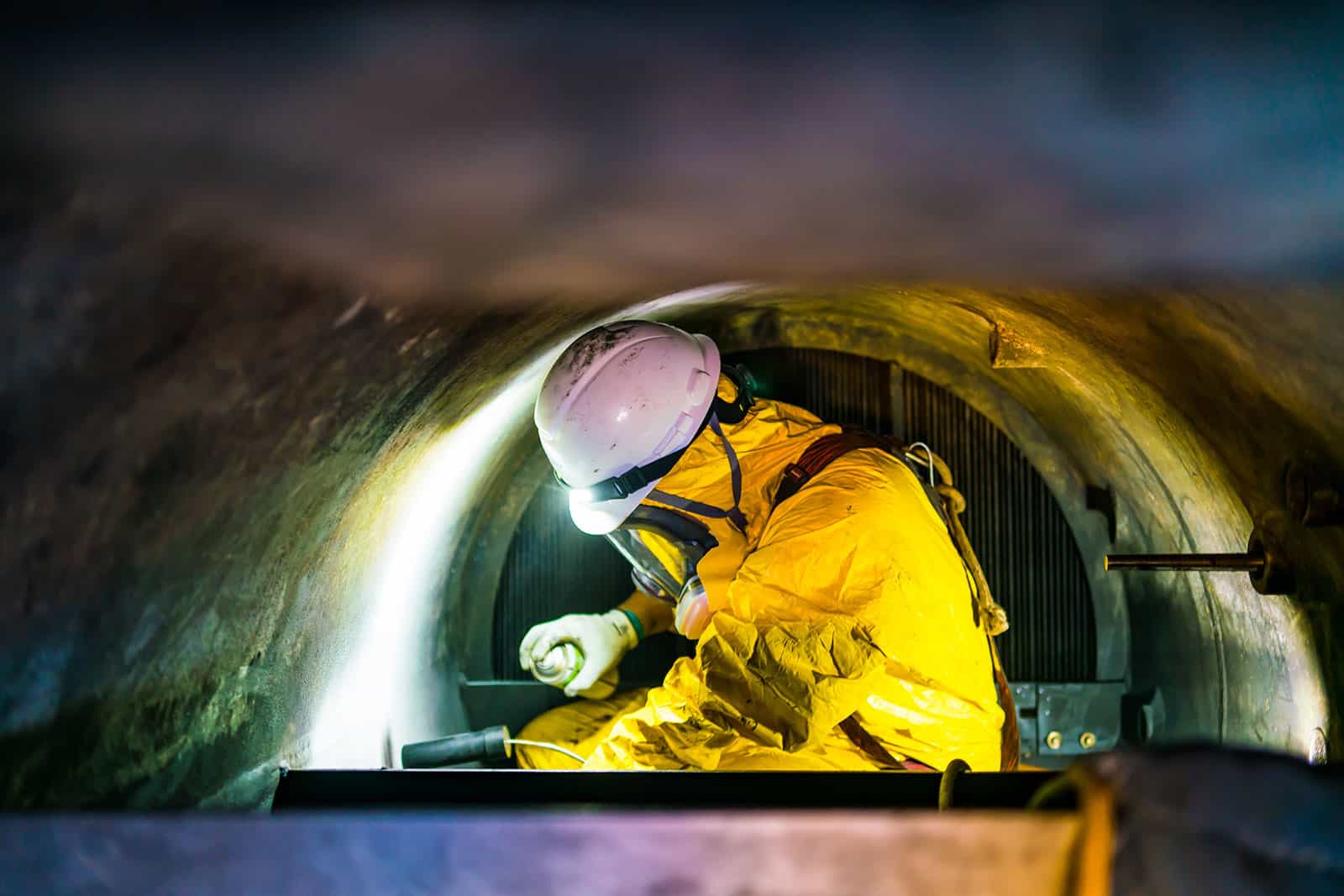
Offshore / Energy / Utilities
Often includes remote working, fatigue, safety-critical roles, confined space, noise/vibration, and high physical demands.
- Role-specific medicals/fitness standards (client-led)
- Fatigue and mental wellbeing support for remote rotations
- Health surveillance and exposure monitoring (where applicable)
- Return-to-work planning aligned to safety-critical requirements

Aviation
Aviation environments often require strict fitness standards, plus considerations around shift work, fatigue, safety-critical decision-making, and regulatory medical pathways depending on the role.
- Role-appropriate fitness assessments and return-to-work advice
- Support with long-term conditions while maintaining safety and compliance
- Targeted support for mental wellbeing and fatigue management

Healthcare
Higher prevalence of mental strain, violence/aggression risk, shift work, plus infection control and physical demands (moving and handling).
- Occupational vaccinations pathways (where relevant)
- Stress risk support, trauma-informed mental health pathways
- Management referrals and adjustments guidance (complex cases)
- Support for long-term conditions and phased returns

Education
Hazards are often less “industrial,” but risk is still significant: stress, voice strain, violence/aggression incidents, neurodiversity support needs, and MSK (classroom/desk-based + moving equipment).
- Vaccination clients for International Students
- Mental health support and early intervention
- Guidance on reasonable adjustments and sustained attendance
- DSE / workstation assessments for admin-heavy roles

Food & Drink (production, warehousing, processing)
Common risks include cold environments, repetitive tasks, manual handling, shift work, cleaning chemicals, and fast-paced production.
- Health surveillance tied to role risks
- MSK prevention and rapid access pathways
- Fatigue management and absence trend support
- Fitness-for-work guidance for safety-critical duties
Why does it matter to your business?
Occupational Health in the UK is shaped by a framework of health and safety law, supported by regulatory bodies and guidance. Employers are not expected to be medical experts – but they are legally responsible for protecting employees from work-related harm and managing health risks appropriately.
The Health and Safety Executive (HSE) sets the standards employers are expected to meet to protect the health, safety and welfare of their workforce, and it publishes guidance that explains how the law should be applied in real workplaces. The core duty comes from the Health and Safety at Work Act 1974, which requires employers to take reasonable steps to prevent work from causing harm. This is supported by regulations such as the Management of Health and Safety at Work Regulations, COSHH, and the Control of Noise and Vibration at Work Regulations, all of which place a legal obligation on employers to assess health risks and put appropriate controls and health surveillance in place where necessary.

Occupational Health isn’t just about “box-ticking” it also helps
 Reduce Absence Legal Compliance Risk Prevention Early Intervention Operational Continuity
Step-by-Step Guide: implement an OH programme

Step 1
Speak with a Latus OH Expert
The first and most effective step in implementing an Occupational Health programme is to speak directly with one of our Occupational Health experts. Every organisation is different, and the most successful OH programmes are built around your specific workforce, industry risks and business priorities – not a generic, off-the-shelf solution.
We understand your organisation in detail, including your job roles, working environment, absence trends, existing risk assessments and any current challenges you may be facing. From there, we can advise on what level of Occupational Health support is appropriate for your business, whether that’s reactive management referrals, proactive health surveillance, wellbeing initiatives, or a fully integrated programme.

Step 2
Define your goals and scope
Start by agreeing what you need OH to achieve. Common goals include:
- Reducing sickness absence and improving return-to-work outcomes
- Meeting legal duties around workplace health risks (health surveillance)
- Supporting managers with consistent, defensible decisions
- Improving retention, wellbeing and performance
Decide your scope early:
- All staff, or specific risk groups/roles first?
- Reactive support only (referrals) or proactive (surveillance + prevention too)?
- UK-wide, multi-site, hybrid teams?

Step 3
Complete a needs analysis (roles, risks, workforce data)
Latus will complete a Needs Analysis for you to determine:
- Workforce profile (age range, job roles, shift patterns, remote work)
- Absence trends (top reasons, long-term cases, frequent short-term)
- Risk assessments and key hazards (noise, vibration, dusts, chemicals, DSE, manual handling)
- Current policies (absence, D&A, capability, menopause, mental health, adjustments)
This step ensures OH is built around real operational risk—not assumptions.
Speak to an expert today
Complete the form below and our team will be in touch the same day for a consultation.
Sector specific expertisePersonalised partnership tailored to your needsPackages suited to your industry requirementsBespoke account management modelFocus on Data, Sustainability & InnovationLargest Mobile Medical Fleet in UKOnly UK provider to offer Mobile Chest X-RayHundreds of Technicians working across UK & ROI
Don’t Leave It Too Late
Legal compliance isn’t optional—and wellbeing can’t wait. Let’s make sure your university is protected, compliant, and prepared for what’s next.
Fully compliant with HSE regulationsLargest mobile fleet in the UKRapid deployment with minimal downtime
