
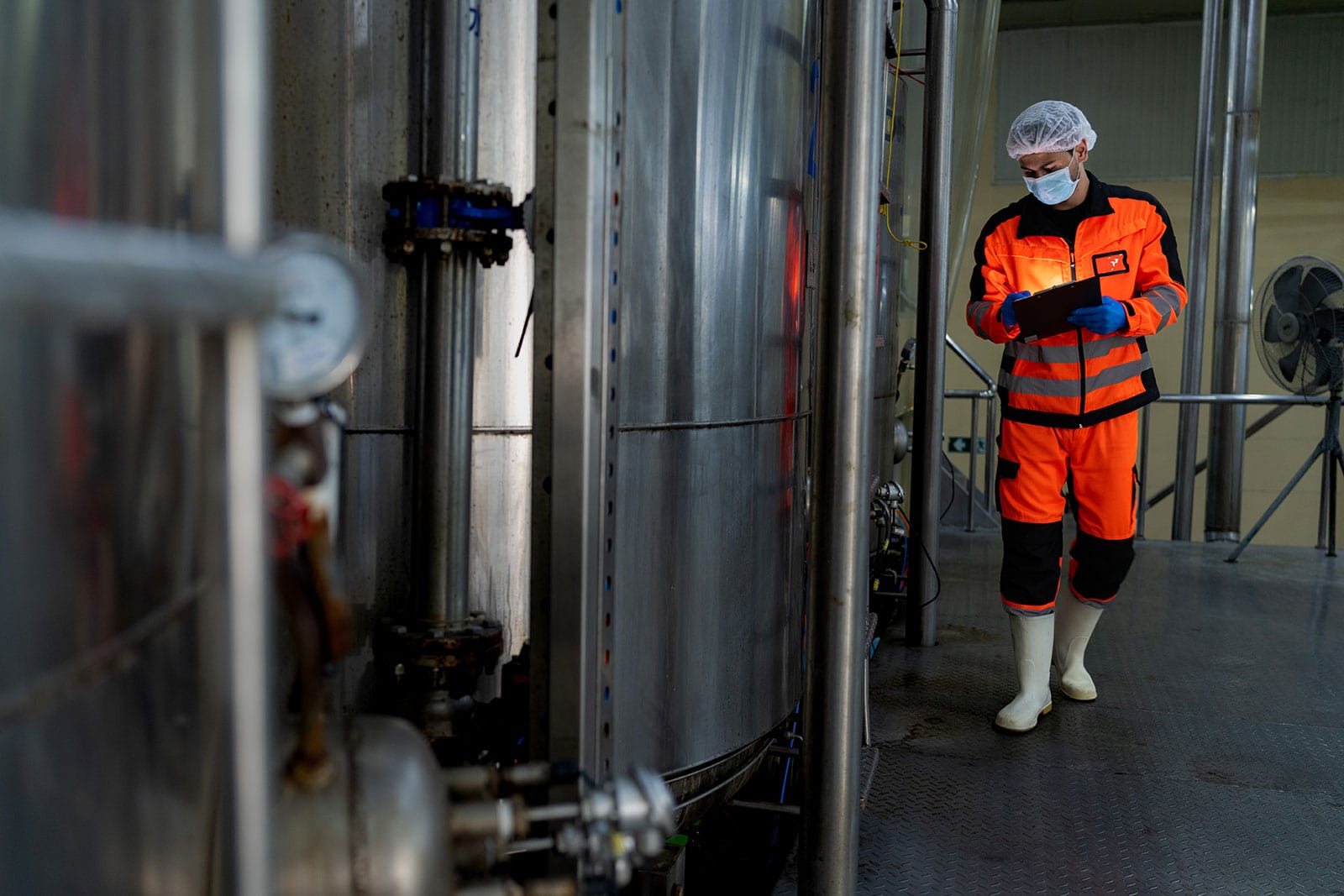
Work-related skin disease can affect people in a wide range of occupations. It can be caused or exacerbated through exposure to a physical, chemical or biological agent, mechanical force, or by wearing gloves for too long, resulting in excessive sweating and hyperhydration.
Preventing Occupational Skin Disease Through Effective Contact Control
Occupational skin disease is usually caused by contact and it follows that, where there is no contact, there is no contact skin disease. Based on this premise, occupational skin disease is therefore preventable and is subject to the same risk management controls as other health and safety risks.

- Skin conservation scheme
- HSE list of causative agents for contact dermatitis
- Examples of causes of contact urticaria
- Examples of agents that cause skin cancer
- Warnings signs and H statements which identify skin hazards
Skin conservation scheme
Skin conversation is a method of carefully managing the risk of skin problems through:
- Elimination or reduction of risk through good COSHH and Risk Assessment
- Good skin hygiene and care arrangements
- Employee awareness training
- Correct selection and use of gloves, including donning and doffing training
- Competent health surveillance and investigation
- Review of risk assessment.
| Example occupations | Examples of irritants | Examples of sensitisers |
| Agricultural workers | Artificial fertilisers, cleaning products, diesel, disinfectants, dust including soil and food products, gasoline, oils, pesticides, plants, solvents, wet-work. | Animal feeds, barley, cement, fungicides, germicidal products, oats; plants; pesticides, veterinary medications, wood dust, preservatives, wool. |
| Bakers | Acids; detergents; wet-work. | Ammonium persulphate, benzoyl peroxide, dyes, essential oils, enzymes, flavours; flour, some fruits. |
| Bartenders | Detergents, disinfectants, scale- removers,wet-work. | Formaldehyde, some fruits. |
| Beauticians (Nails) | Dusts, acetone, disinfectants. | Ethylmethacrylate, methylmethacrylate. |
| Butchers and abattoir workers | Acids and alkalis, detergents, waste products, wet-work. | Animal proteins, formaldehyde, latex rubber protein, nickel, sawdust. |
| Cabinet makers and carpenters | Detergents, glues, solvents, thinners, wood dust, wood preservatives. | Colophony, dyes, fungicides, glues, turpentine, varnishes, wood dust. |
| Carpet layers | Adhesives, dusts. | Adhesives, mites, fungus, animal waste. |
| Cleaners | Detergents, other cleaning products, solvents, wet-work. | Formaldehyde, germicidal agents. |
| Construction workers | Cement, dusts, solvents, sand, wet-work, building materials. | Cement, chromium, chromium compounds, cobalt, epoxy resins, nickel, resins, thiuram in gloves, wood dust. |
| Cooks and caterers | Acids and alkalis, bleaching agents, detergents, vegetable juices, wet-work. | Flavours (some types), formaldehyde, garlic, sodium metabisulphite, spices (some). |
| Dentists and dental technicians | Detergents, wet-work. | Dental impression material, disinfectants, eugenol, local anaesthetics (some), mercury, methacrylates, latex rubber free protein. |
| Doctors, nurses and others | Disinfectants, detergents, wet-work. | Latex gloves, some anaesthetics, antibiotics and antiseptics, phenothiazines, formaldehyde, glutaraldehyde, liquid chloroxylenol. |
| Electricians | Fibre glass, soldering fluxes. | Epoxy resins, rubber, isocyanates, soldering fluxes, dusts. |
| Floor-layers | Solvents. | Cement; epoxy resins; house mites; wood; wood dust. |
| Florists and gardeners | Compost, fertilisers, pesticides, wet-work, soil, preservatives. | Plants, pesticides, insecticides. |
| Foundry workers | Dust, sand. | Chromium, cobalt, nickel, phenol/urea-formaldehyde resins. |
| Hairdressers | Bleaching agents, dyes, permanent wave solutions, shampoos, wet-work. | Dyes, nickel, persulphates, perfumes, latex rubber protein, amine based chemicals, including parphenylene diamine (ppd). |
| Hospital and care home workers | Detergents, disinfectants, wet-work. | Latex rubber protein, medicines. |
| Metal workers | Cutting oils /fluids, solvents, metal shavings/dusts. | Additives/preservatives in cutting fluids, chromium, nickel. |
| Mechanics | Cleaners, diesel, gasoline, greases, oils, solvents. | Chromium, epoxy resin, nickel. |
| Motor vehicle repairers | Aggressive hand cleaning products, fuels, oils, paints, solvents. | Chromium, cobalt, epoxy resins, nickel. |
| Painters | Aggressive hand cleaners, solvents, thinners, wallpaper adhesives including antibacterial/mould agents. | Turpentine, thinners, chromium, formaldehyde, epoxy products, polyester resins. |
| Photographic industry workers | Solvents, wet-work. | Chromium, colour developers, para-aminophenol, formaldehyde, hydroquinone; sodium metabisulphite. |
| Printers | Solvents. | Colophony, formaldehyde, metals in resins/inks, resins and hardeners, turpentine. |
| Rubber products workers | Solvents, talc, uncured rubber, zinc stearate. | Colophony, dyes, rubber conditioning chemicals, different amines and epoxy resins. |
| Veterinarians | Disinfectants, wet-work. | Some anaesthetics, antibiotics and antiseptics, chloroxylenol, formaldehyde, glutaraldehyde, latex |
| Agents | Type of workers |
| Foods, spices, herbs | Cooks, food preparation workers, other kitchen workers |
| Food additives, e.g: Cinamic acid, benzaldehyde, benzoic acid, albumin | Cooks, food preparation workers, other kitchen workers, bakers and millers |
| Animal hair | Animal husbandry worker, veterinarians and nurses, laboratory workers |
| Latex proteins | Health care workers, animal husbandry workers, veterinarians, laboratory workers |
| Topical drugs | Health care workers, pharmaceutical workers |
| Disinfectants | Hairdressers, cleaners, kitchen staff |
| Resins | Construction workers, resin manufacturing, printers, nail technicians |
| Chemicals used in rubber production | Rubber processing workers |
| Agents | Type of workers |
| Foods, spices, herbs | Cooks, food preparation workers, other kitchen workers |
| Food additives, e.g: Cinamic acid, benzaldehyde, benzoic acid, albumin | Cooks, food preparation workers, other kitchen workers, bakers and millers |
| Animal hair | Animal husbandry worker, veterinarians and nurses, laboratory workers |
| Latex proteins | Health care workers, animal husbandry workers, veterinarians, laboratory workers |
| Topical drugs | Health care workers, pharmaceutical workers |
| Disinfectants | Hairdressers, cleaners, kitchen staff |
| Resins | Construction workers, resin manufacturing, printers, nail technicians |
| Chemicals used in rubber production | Rubber processing workers |

Warning:
H312: Harmful in contact with skin
H315: Causes skin irritation
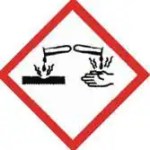
Danger:
H314: Causes severe skin burns and eye damage
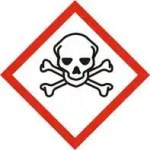
Danger:
H310: Fatal in contact with skin
H311: Toxic in contact with skin
EUH066: Repeated exposure may cause skin dryness and cracking
Download our Free Guide

Guide to Occupational Hygiene
Protecting employees through proactive, nationwide health surveillance that prevents risks and promotes workplace wellbeing.
Let’s Get You Started
Our occupational health specialists will guide you from first contact to full deployment without the jargon, delays, or disruption. Complete our quick form and our team will be in touch.
 Sector specific expertisePersonalised partnership tailored to your needsPackages suited to your industry requirementsBespoke account management modelFocus on Data, Sustainability & InnovationLargest Mobile Medical Fleet in UKOnly UK provider to offer Mobile Chest X-RayHundreds of Technicians working across UK & ROI