

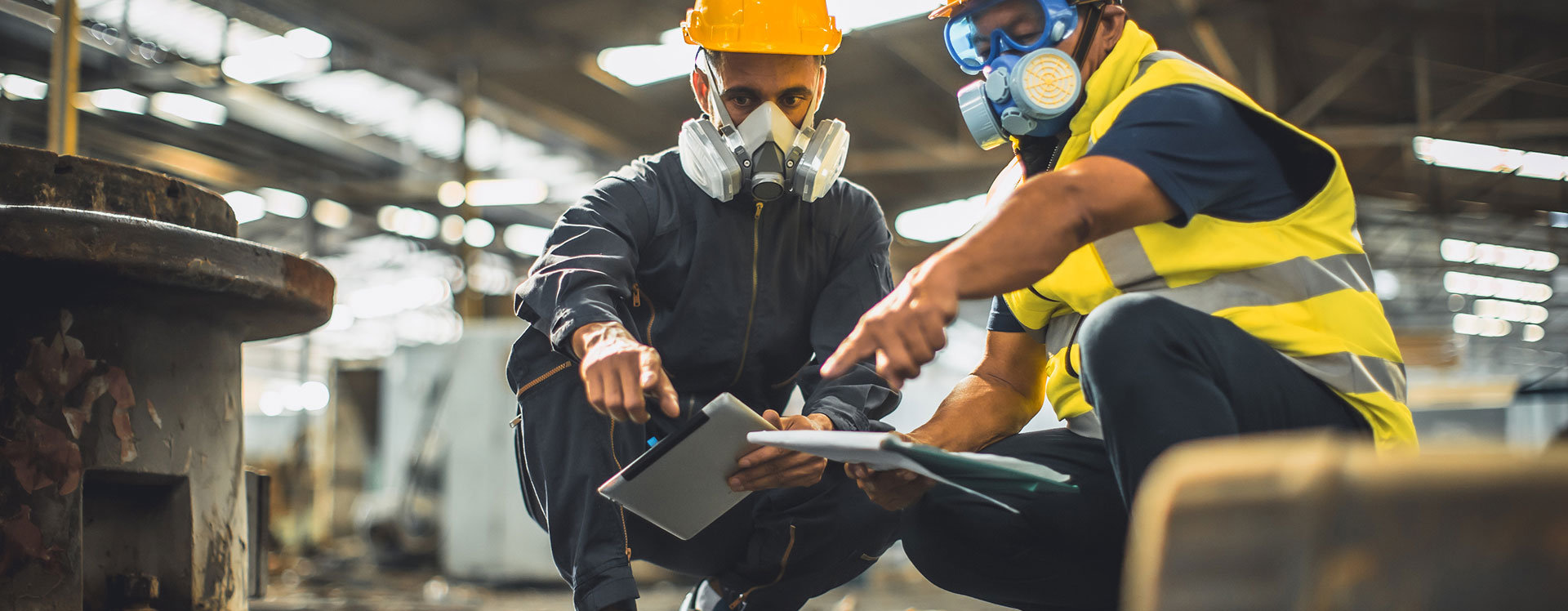
In many UK workplaces, respiratory protective equipment (RPE) is essential for controlling exposure to hazardous substances. Face Fit Testing plays a critical role in ensuring that this protection actually works in practice. However, employers often ask whether fit testing is a legal requirement, who needs it, and how often it must be carried out.
This guide explains the legal position in the UK, what employers need to know, and how face fit testing supports compliance, worker safety, and risk reduction across multiple industries.
What does ‘face fit test’ mean?
A face fit test is a practical assessment used to confirm that a tight-fitting respirator forms an effective seal against the wearer’s face. If the seal is poor, contaminated air can leak into the mask, significantly reducing its protective value.
In simple terms, a respirator that does not fit correctly may offer little or no protection. Therefore, fit testing ensures that the selected mask is suitable for the individual, not just the task.
What is RPE face fit testing?
Respiratory Protective Equipment (RPE) face fit testing checks whether a specific make, model, and size of mask fits a particular wearer. Importantly, passing a test on one type of respirator does not automatically mean another will fit in the same way.
In practice, this process supports employers in meeting their duties under UK health and safety law by ensuring RPE performs as intended in real-world working conditions.
Do employers have to conduct face fit testing under UK law?
Yes — where tight-fitting RPE is used, face fit testing is a legal requirement.
Under the Control of Substances Hazardous to Health Regulations (COSHH), employers must prevent or adequately control exposure to hazardous substances. Where RPE is required as part of those controls, it must be suitable and effective.
The Health and Safety Executive (HSE) is clear that tight-fitting masks must be fit tested to ensure they provide the intended level of protection. Failure to do so may result in non-compliance, enforcement action, or increased risk of occupational illness.
How often should fit testing be done?
Fit testing is not a one-off exercise. Employers should arrange repeat testing:
-
At least every two years (best practice)
-
When the mask make, model, or size changes
-
After significant weight change
-
Following facial surgery or dental work
-
If facial hair growth affects the seal
As a result, maintaining accurate records is essential for demonstrating ongoing compliance.
What’s the difference between a fit check and a fit test?
A fit check is a quick, user-performed seal check carried out each time the respirator is worn. It helps confirm that the mask is positioned correctly.
However, a fit check does not replace a formal fit test. Fit testing must be conducted by a competent person using approved methods, providing documented evidence that the respirator is suitable for that individual.
Which fit test should I use?
The correct method depends on the type of respirator, workplace risks, and required protection factor. In general, the choice is guided by HSE recommendations and the specific RPE being used.
Importantly, employers must ensure that the selected method is appropriate for their risk assessment and workforce.
What’s the difference between qualitative and quantitative fit testing?
Qualitative fit testing relies on the wearer’s ability to detect a test substance, such as a bitter or sweet aerosol. It is commonly used for disposable and half-mask respirators.
Quantitative fit testing, on the other hand, uses specialist equipment to measure leakage numerically. This method provides objective data and is often required for higher-risk environments or full-face masks.
Both approaches are compliant when used correctly, although quantitative testing offers a higher level of precision.
Who needs to be fit tested?
Fit testing is required for anyone wearing tight-fitting RPE, including:
-
Construction and engineering workers
-
Healthcare and laboratory staff
-
Manufacturing and chemical processing teams
-
Waste, utilities, and environmental services
-
Aviation, offshore, and safety-critical roles
Importantly, fit testing applies equally to permanent staff, contractors, and agency workers.
How is a face fit test carried out?
A typical fit test includes:
-
Pre-test checks and explanation
-
Assessment of facial hair and mask compatibility
-
Fit test exercises simulating real movements
-
Clear pass or fail outcome
-
Written certification and records
What affects whether a respirator fits?
Several factors can influence fit, including:
-
Face shape and size
-
Facial hair, stubble, or sideburns
-
Incorrect mask size or type
-
Poor donning technique
-
Wear and tear of the mask
Therefore, selecting suitable RPE and providing user training is just as important as the test itself.
Fit testing requirements for specific masks (FFP3, FFP2, N95)
Tight-fitting disposable masks such as FFP2, FFP3, and N95 respirators must all be fit tested before use in hazardous environments. Each different model requires a separate test.
This is particularly relevant in healthcare, construction, and safety-critical sectors where higher protection levels are essential.
Where and how do I get fit testing done?
Latus Group provides professional face fit testing as part of its wider occupational health and hygiene services. Testing can be delivered on-site or through scheduled clinics, supporting employers with:
-
Competent testing and documentation
-
Integration with risk assessments
-
Support across multi-site UK operations
You can find further details on relevant services at www.latusgroup.co.uk, alongside guidance on occupational hygiene, health surveillance, and compliance support.
Preparing for a Face Fit Test: Tips for workers & employers
To improve pass rates and avoid delays:
-
Ensure workers are clean-shaven where required
-
Use the exact mask intended for work
-
Allow adequate time for testing
-
Communicate expectations clearly beforehand
Preparation helps ensure smoother testing and reliable outcomes.
Reasons your fit test might fail (and how to fix it)
Common reasons for failure include:
-
Facial hair interfering with the seal
-
Incorrect mask size or style
-
Poor adjustment of straps
-
Unsuitable respirator for face shape
In most cases, changing the mask model or providing additional training resolves the issue quickly.
Why face fit testing matters for UK employers
Face fit testing is not just a compliance exercise. It protects workers, reduces health risks, and demonstrates that employers are meeting their duties under the Health and Safety at Work etc. Act.
When implemented correctly, it forms a vital part of an effective respiratory protection programme and wider occupational health strategy.
Face fit testing is a legal requirement wherever tight-fitting RPE is used in the UK. It ensures that protective equipment works as intended, supports compliance with COSHH, and protects workers from preventable harm.
For employers, investing in competent testing and ongoing review is a practical step towards safer, healthier workplaces — and a clear demonstration of regulatory responsibility.

Interested in speaking to an Occupational Health expert?
Complete our enquiry form and a member of the team will be in touch
