
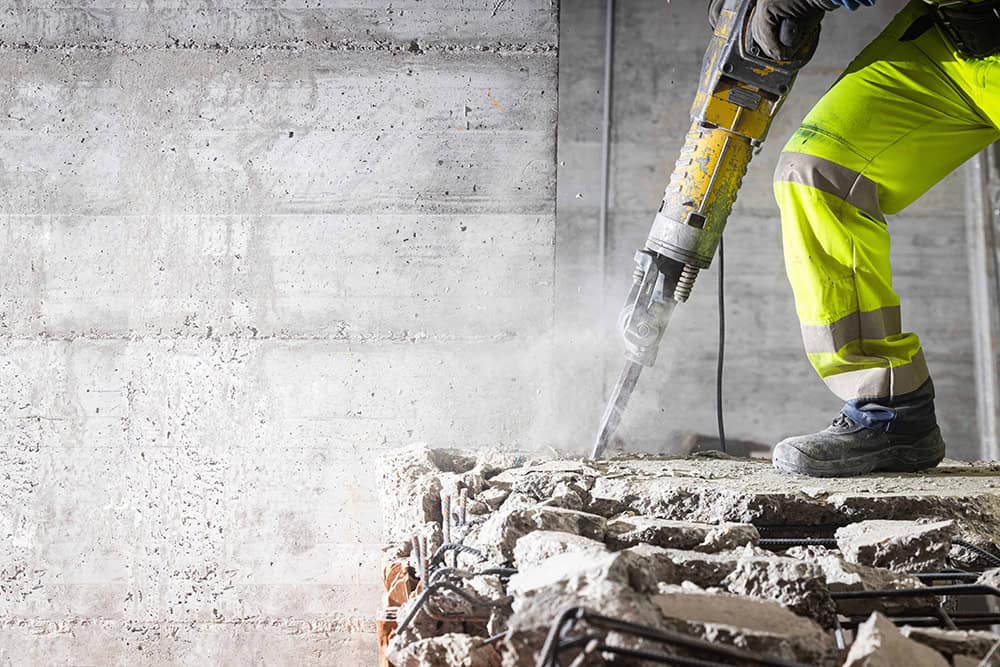
We recognise the harm vibration can cause and its lasting effects on hand function, circulation, and overall wellbeing. Latus provide trusted HAVS health surveillance, delivering Tier 2, 3, and 4 assessments to support early detection, accurate diagnosis, and full compliance with workplace regulations.
HAVS Surveillance You Can Rely On
Hand Arm Vibration Syndrome (HAVS) can cause painful vascular (circulatory) or sensori-neural (tingling and numbness) problems with the fingers and hands. There is a strong dose-response relationship between the vibration exposure (trigger time and vibration magnitude) and the extent of the symptoms. The greater the exposure the more severe the symptoms.
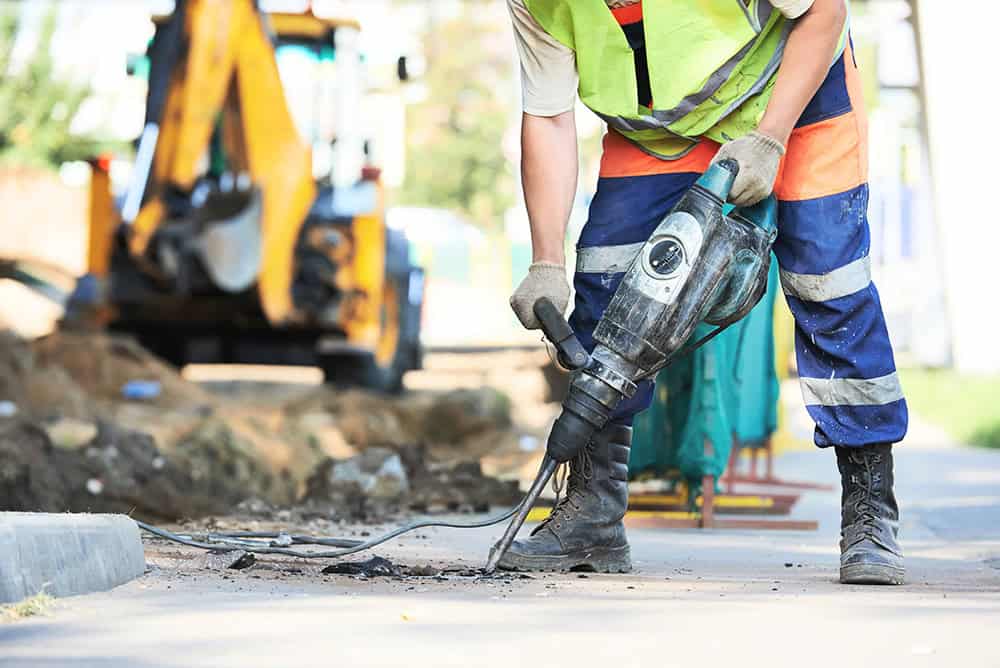
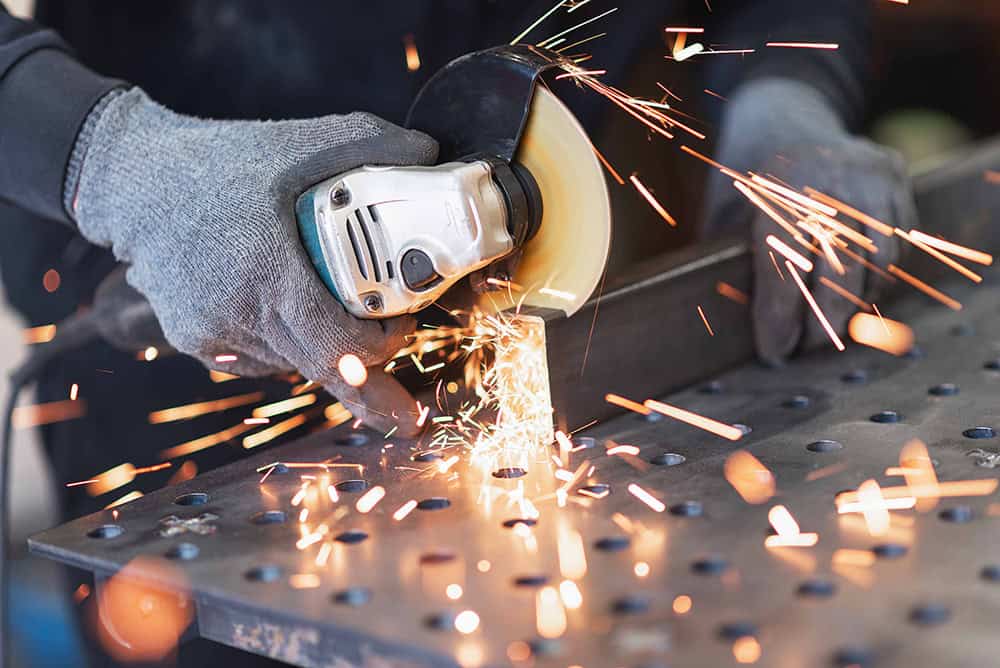
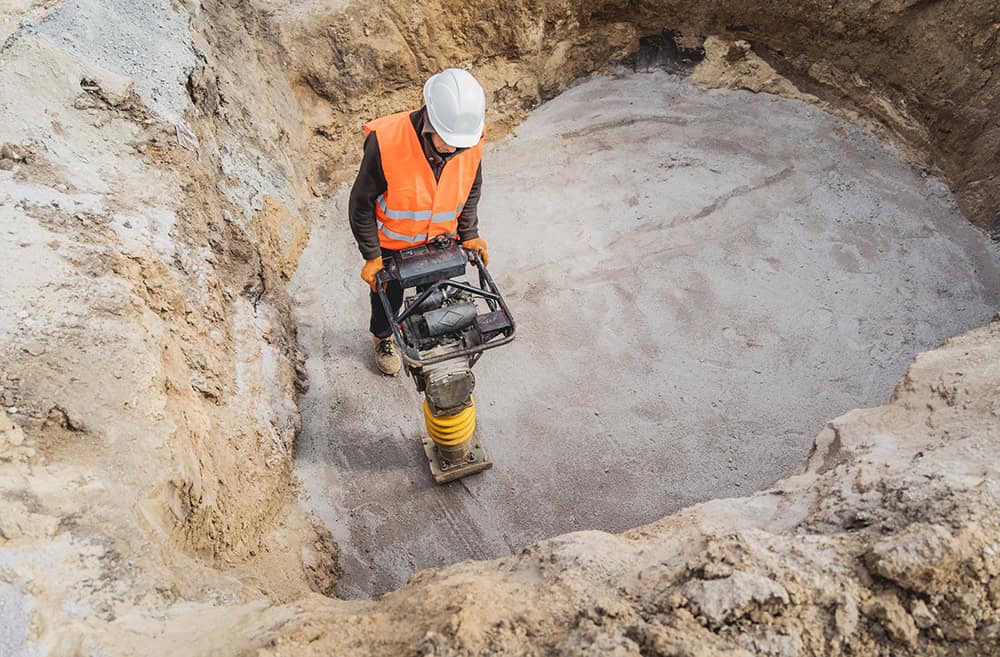
Hand Arm Vibration Syndrome (HAVS) is more common among those working with hand-held power tools and holding material in place for machining. Prolonged exposure to vibration can lead to damage to the hand(s), which may eventually lead to HAVS.

HAVS health surveillance is required when:
- Exposure is over the first action level (2.5m/s2), or lower if the individual is vulnerable due to existing health problems such as poor circulation, Raynauld’s Phenomenon.
- There is already a diagnosis of HAVS
LATUS provides:
Tier 2 HAVS: Annual Screening
Tier 3 HAVS: Clinical Assessment
Tier 4 HAVS: Formal Diagnosis
Symptoms can include:
Impaired circulation (leading to Vibration White Finger), Reduced sense of touch, numbness, reduced manual dexterity, tingling, stiffness of the joints, and reduced grip strength.
Tier 2 HAVS:
- Annual self-administered short questionnaire asking about certain symptoms
- If agreed, can be non-confidential
- Option to have a Responsible Person
-Able to gain confidence and cooperation
-Can explain how the screening system operates and describe symptoms
-No qualifications and must not interpret symptoms
-Some training from an occupational health nurse
Tier 3 HAVS:
- Does the employee have HAVS
- How severe are the symptoms
-Stage 1 on Stockholm Scale least severe
-Stage 3 on Stockholm Scale most severe - Qualified person to conduct interview and examination
-Occupational health nurse

Tier 4 HAVS:
- Formal diagnosis
- Fitness for work decision
-Prevent loss of hand function
-No cases to progress to Stage 3 on Stockholm Scales
-Remove from exposure at late Stage 2 - Responsibility of the doctor
- Medical records are confidential (need consent to disclose which stage of disease)
Download our Free Guides
Step by Step guides to implementing a Health Surveillance Programme.

Health Surveillance Brochure
Protecting employees through proactive, nationwide health surveillance that prevents risks and promotes workplace wellbeing.
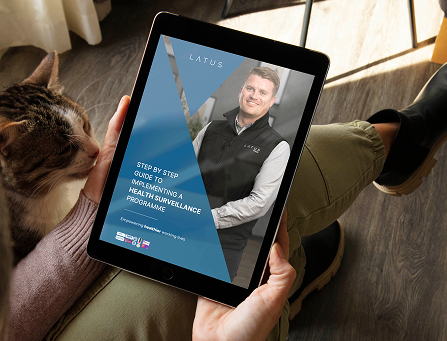
Implementing a health surveillance programme
Step-by-step guidance to design, implement, and maintain effective, compliant health surveillance across your workforce.
FAQ’s
How often should HAVS be undertaken?
Tier 2 HAVS surveillance should be conducted annually for those who do not have any symptoms of Hand Arm Vibration Syndrome (HAVS)
Tier 3 HAVS surveillance should be conducted annually for anyone with symptoms or diagnosis of HAVS. This should be undertaken whether the individual continues to be exposed to vibration or not.
Tier 4 HAVS surveillance should be conducted at the request of the Occupational Health professional conducting the Tier 3 surveillance.
How long does it take?
Tier 1 Initial review of HAVS on employment
Tier 2 takes around 15 minutes to complete and can be done either remotely or together with the individual.
Tier 3 takes between 60 and 90 minutes depending on the symptoms of the individual and the difficulties they are experiencing.
Tier 4 will depend on the results of Tier 3.
What does a HAVS surveillance entail?
Tier 1 – this is a questionnaire which should be issued to new starters who are likely to be exposed to HAVS and used to check previous exposure and symptom history. If problems are identified on this questionnaire, they should be referred to an Occupational Health Nurse or doctor who is specially qualified in HAVS screening for a tier 3 or 4 HAVS screening. Individuals should be cleared fit to work with vibration.
Tier 2 – this is an annual questionnaire which should be issued to all employees exposed to vibration levels over the first action level. It is required annually. If problems are identified on this questionnaire, they should be referred to an Occupational Health Nurse or doctor who is specially qualified in HAVS screening for a tier 3 or 4 HAVS screening.
Tier 3 –this is a screening assessment undertaken every three years which should be carried out for all employees exposed to vibration levels over the first action level. It involves a questionnaire and a series of tests to check for circulatory, neurological and musculoskeletal problems. It is also used to investigate problems at tier 1 or 2 and for monitoring those who have been diagnosed with HAVS to ensure it is stable.
Tier 4 – this is carried out when someone has been identified with symptoms consistent with HAVS at tier 3 assessment and a diagnosis by a doctor is required. It may also be required to monitor newly diagnosed employees to ensure that their symptoms remain stable. If a diagnosis is made, the incident must be reported under RIDDOR. It builds on from the tier 3 medical to include formal clinical examination and diagnosis.
What happens if abnormalities are detected?
If abnormalities are detected, they will need to be investigated appropriately. Risk assessments and safe exposure levels should be reviewed accordingly.
If the HAVS staging is unclear, the following actions should be taken:
- the individual should be referred for a level 4 HAVS screening,
- duties should be restricted according to the Occupational Physician’s guidance;
- once a diagnosis has been confirmed, the case should be reported as a work-related health problem in the employer’s accident book and under RIDDOR;
- surveillance should be continued at levels 3 or 4 on regular basis identified by the doctor making the diagnosis.
In addition to Hand Arm Vibration Syndrome, Carpel Tunnel Syndrome is another health hazard associated with vibration. It is important to consider the ergonomics of work involving vibration to reduce the risks from Carpel Tunnel Syndrome as well as HAVS.
Let’s Get You Started
Our occupational health specialists will guide you from first contact to full deployment without the jargon, delays, or disruption. Complete our quick form and our team will be in touch.
 Sector specific expertisePersonalised partnership tailored to your needsPackages suited to your industry requirementsBespoke account management modelFocus on Data, Sustainability & InnovationLargest Mobile Medical Fleet in UKOnly UK provider to offer Mobile Chest X-RayHundreds of Technicians working across UK & ROI