

An ionising radiation medical is a statutory (legal requirement) health surveillance program for “classified persons” – employees whose work involves significant exposure to ionising radiation. This includes sources like X-rays, gamma rays, radioactive substances, or in areas with high natural radiation (e.g., specific mines).
Trusted by over 3,800 businesses










Medical Monitoring for Employees Exposed to Ionising Radiation
You need an ionising radiation medical because exposure to high levels of this type of radiation can cause serious health effects, including a long-term increased risk of cancer and, at very high doses, acute tissue and organ damage.
This medical provides a vital safety net, ensuring that your exposure levels are being correctly controlled and that your health is not being adversely affected.
The assessment looks at the type and source of radiation, monitoring, use of protective equipment while comparing this against features such as the medical history and examination.
Examples of jobs who generally require the test:
- Radiographers and nuclear medicine staff in hospitals
- Industrial radiographers
- Research scientists working with radioactive materials
- Workers in nuclear power plants
- Maintenance workers in facilities with radiation sources
- Some laboratory technicians and engineers
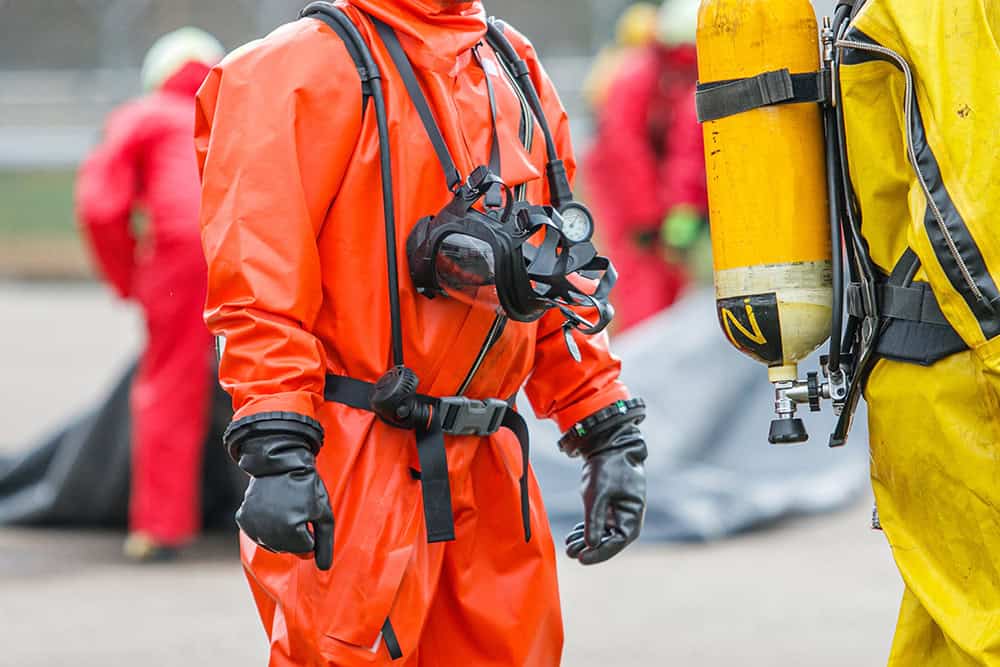
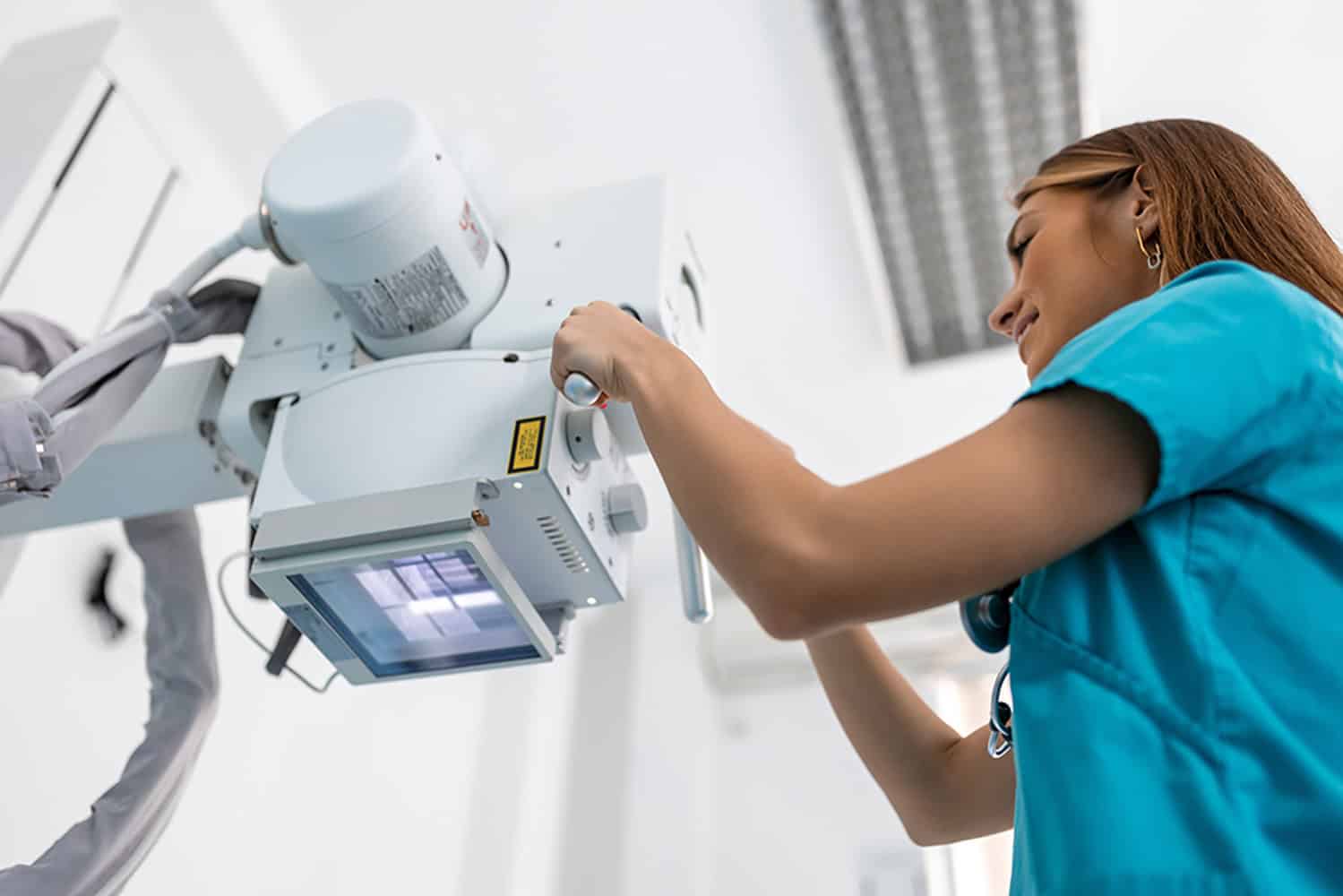
Only employees designated as ‘Classified Persons’ require this medical
- A ‘Classified Person’ is an employee whose maximum potential annual radiation exposure is likely to exceed the legal threshold of 6 mSv (milliSieverts) of effective dose.
- This designation is determined by the employer’s Radiation Risk Assessment and the advice of a Radiation Protection Adviser (RPA).
- Note: Many radiation workers (e.g., standard radiography staff) are not classified and do not require this medical, but they must still have their doses monitored.
The purpose of the medical is not to diagnose radiation damage but to:
- Determine Fitness: Check if an employee is medically fit to be designated as a ‘Classified Person.’
- Establish a Baseline: Record the worker’s medical history and current health status before they begin work.
- Detect Contraindications: Identify any pre-existing medical conditions that might be exacerbated by radiation work or could compromise their ability to perform their duties safely.
Let’s Get You Started
Our occupational health specialists will guide you from first contact to full deployment without the jargon, delays, or disruption. Complete our quick form and our team will be in touch.
 Sector specific expertisePersonalised partnership tailored to your needsPackages suited to your industry requirementsBespoke account management modelFocus on Data, Sustainability & InnovationLargest Mobile Medical Fleet in UKOnly UK provider to offer Mobile Chest X-RayHundreds of Technicians working across UK & ROI