
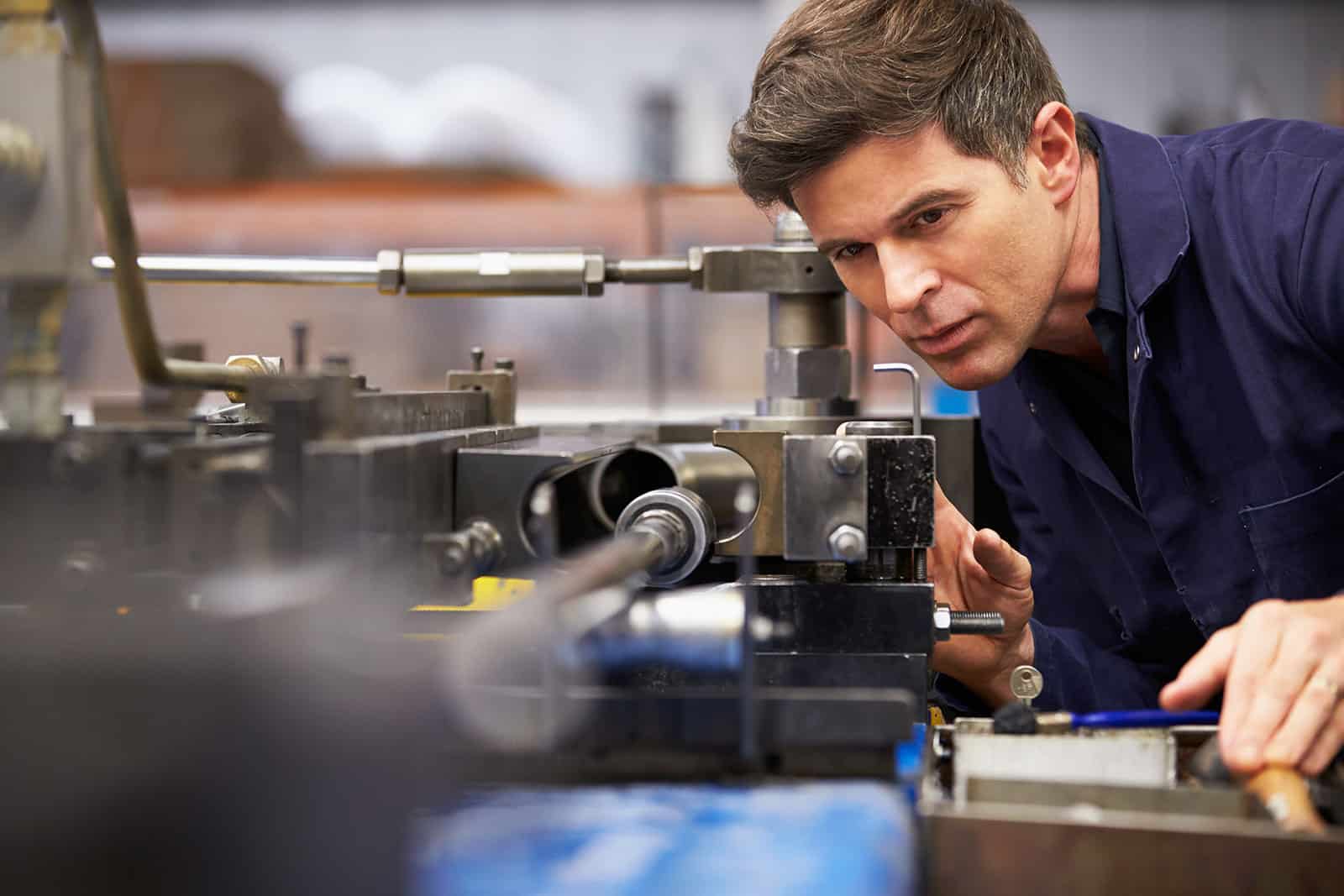
Engineering environments present complex workplace health risks. Occupational health in engineering ensures that employers identify, monitor and manage those risks effectively — protecting employees while meeting UK legal obligations.
Latus Group deliver compliance-led, clinically robust occupational health services nationwide, supporting engineering businesses with practical, evidence-based solutions.
Speak to our occupational health team today.
Occupational health in engineering
Engineering environments involve exposure to noise, vibration, welding fumes, metalworking fluids, and repetitive physical tasks. Therefore, occupational health in engineering is not optional — it is a fundamental part of managing risk responsibly.
UK employers in the engineering sector must comply with the Health and Safety at Work etc. Act 1974, the Control of Substances Hazardous to Health Regulations 2002 (COSHH), and the Management of Health and Safety at Work Regulations 1999. As a result, organisations must assess risks, implement controls, and provide health surveillance where required.
Our role is to help engineering employers stay compliant, reduce absence, and safeguard long-term workforce health.


Hazards in Engineering
Exposure to the below hazards can lead to occupational asthma, hypersensitivity pneumonitis, dermatitis, noise-induced hearing loss, hand-arm vibration syndrome (HAVS), and musculoskeletal disorders.
-
Welding fumes and metalworking fluids
-
Spray paints and industrial coatings
-
Hand-arm vibration
-
High noise levels
-
Repetitive manual handling and awkward postures
The Health and Safety Executive (HSE) makes clear that employers must assess and control these risks. Where exposure cannot be eliminated, health surveillance may be legally required.
- Our Approach
- Who We Support
- Is it a Legal Requirement?
- Accreditation
- Health Risks in Engineering
- Machinery Risks with Engineering
-
Compliance-led
-
Evidence-based
-
Proportionate to risk
-
Delivered nationally, with a personal approach
Our digital Yodha system ensures efficient booking, reporting and secure record management. As a result, employers benefit from clarity, speed and audit-ready documentation.
We provide occupational health in engineering for:
-
Heavy and light engineering manufacturers
-
Automotive engineering businesses
-
Fabrication and welding specialists
-
Aerospace and aviation engineering
-
Facilities and maintenance contractors
We also support organisations operating across construction, manufacturing, transport, and corporate environments where engineering roles exist.
Health surveillance becomes a legal requirement where risk assessment identifies exposure to specific hazards such as noise, vibration, or hazardous substances under COSHH. Employers must demonstrate they have assessed risks and implemented appropriate monitoring where necessary.
Key legislation includes the Health and Safety at Work etc. Act 1974, COSHH Regulations 2002, and the Management of Health and Safety at Work Regulations 1999. Additional regulations may apply depending on specific hazards such as noise or vibration.
We are quality accredited to the Faculty of Occupational Medicine’s SEQOHS standards and can provide health surveillance screening at your workplace using our fleet of mobile health units.
- Noise survey assessments
- Workplace air monitoring
- Skin surveillance caused by wet-work, fluids, oils, greases, solvents.
- Vibration assessments
- Fitness for work checks
Health issues in the engineering industry can be caused by:
- Metalworking fluids – Exposure to metalworking fluids can cause skin problems and respiratory disease such as occupational asthma and hypersensitivity pneumonitis.
- Welding – Exposure to welding fume can cause respiratory disease such as occupational asthma, lung cancer and other short and long-term illnesses.
- Spray paints and coatings – Exposure to spray paints and coatings can cause skin problems and respiratory disease such as occupational asthma. We would suggest workplace air monitoring to see if there’s a problem with air quality.
- Vibration – Exposure to vibration can cause neurological damage, circulatory damage and musculo-skeletal disorders.
- Manual Handling & Awkward Postures – Heavy lifting, poor postures, prolonged static, repetitive or forceful movements can cause musculo-skeletal disorders.
- Noise – Exposure to noise can cause hearing loss and tinnitus. A noise survey assessment would be recommended to check if your employees are working in a safe environment.
Maintenance – poorly maintained machinery can have a serious health and safety risk. It is important to keep machines in good working order carrying out daily inspections and regular servicing and auditing.
Safeguards – most machines will have safety mechanisms installed such as emergency stops and guards. Ensure these are in good working order and have been installed properly.
PPE – make sure your workforce are properly equipped with the right PPE (Personal Protective Equipment), including head protection, goggles and ear defenders. As well as not having loose clothing, jewellery or long hair that could get caught in moving equipment.
Let’s Get You Started
Our occupational health specialists will guide you from first contact to full deployment without the jargon, delays, or disruption. Complete our quick form and our team will be in touch.
 Sector specific expertisePersonalised partnership tailored to your needsPackages suited to your industry requirementsBespoke account management modelFocus on Data, Sustainability & InnovationLargest Mobile Medical Fleet in UKOnly UK provider to offer Mobile Chest X-RayHundreds of Technicians working across UK & ROI