

Occupational health in manufacturing supports employers in identifying, monitoring and managing health risks associated with industrial environments. From noise and vibration to dusts, fumes and manual handling, the manufacturing industry presents varied and often complex health exposures.
Occupational health is essential for managing workplace risk, reducing sickness absence, and maintaining legal compliance. Latus Group provide nationally delivered, clinically robust occupational health services tailored to the manufacturing industry.
Speak to our occupational health team today.
Expert Occupational Health
Under UK legislation, including the Health and Safety at Work etc. Act 1974 and the Control of Substances Hazardous to Health Regulations 2002, employers have a duty to protect employee health.
The Health and Safety Executive makes clear that where risks are identified, appropriate health surveillance may be required. Furthermore, under the Management of Health and Safety at Work Regulations 1999, employers must assess risks and implement suitable controls.
When managed properly, occupational health becomes a strategic asset. It reduces disruption, supports workforce retention and demonstrates a genuine commitment to employee wellbeing. You can review official guidance on manufacturing risk management via the HSE website: https://www.hse.gov.uk/manufacturing/

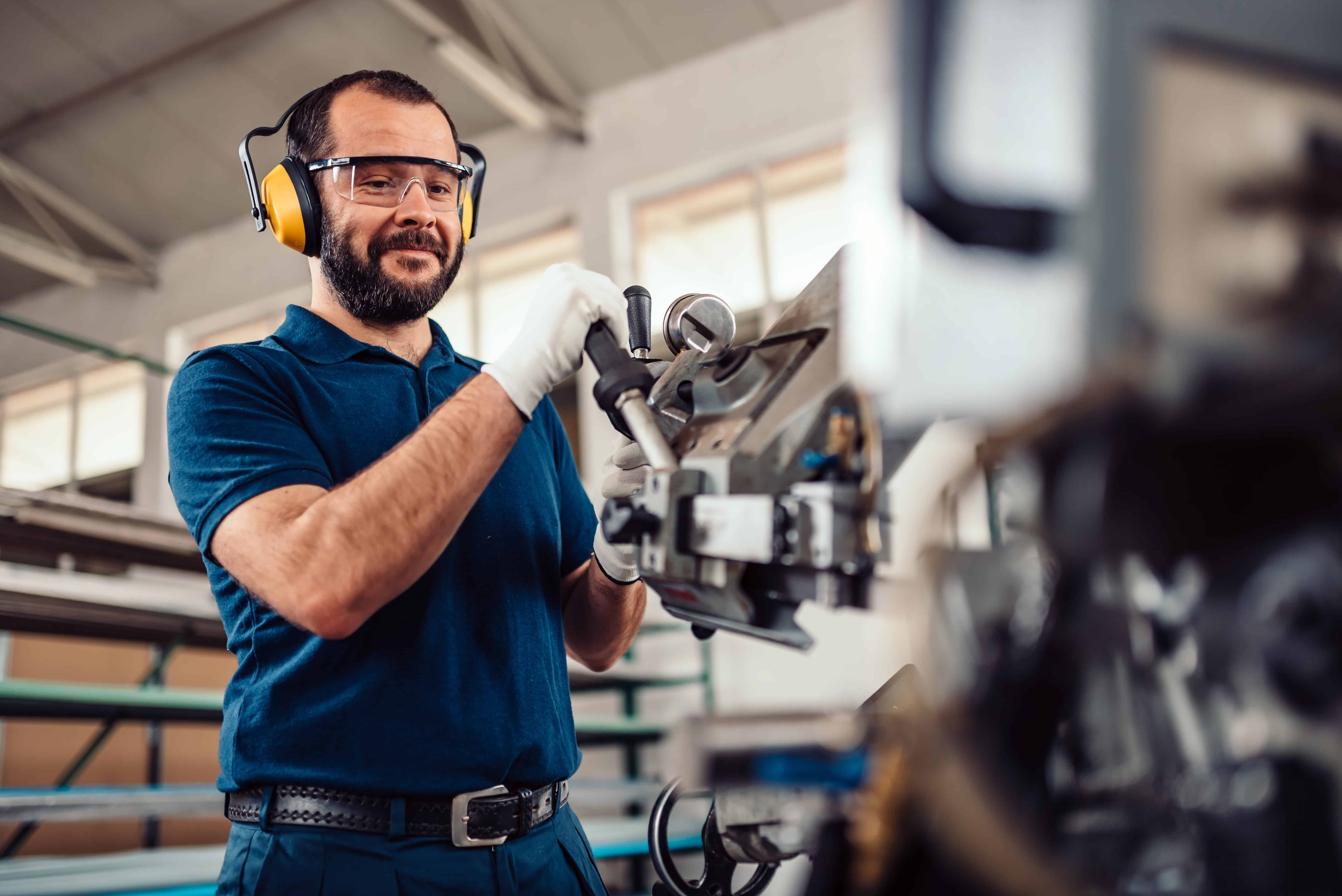
Our Approach
We take an integrated and compliance-led approach to occupational health in manufacturing.
-
Evidence-based and clinically governed
-
Nationally resourced yet locally responsive
-
Mobile and clinic-based
-
Digitally efficient through structured reporting systems
Importantly, we do not take a “tick-box” approach. Instead, we align our health surveillance programmes to your risk profile and operational demands.
Where necessary, we can integrate with safety-critical medical assessments or broader workplace wellbeing support strategies to provide a joined-up solution.
Tailored OH Support
Latus Group is quality accredited to the Faculty of Occupational Medicine’s SEQOHS standards and provides appropriate and tailored fitness for work checks, sickness absence management and health surveillance and health screening on-site.
Health Surveillance
Safety Critical Medicals
Pre-employment Health assessments
Counselling
Audiometry for Noise-Induced Hearing Loss. (NIHL)
Breathing Surveillance
Skin Surveillance
Chest X-Ray

Health issues in the manufacturing industry will vary depending on what is being manufactured. Whether fridges or foods, heart valves or subsea valves, each will have its own hazards and risks. Health issues in manufacturing can include:
- Flour and other food dusts – Exposure to flour dusts can cause respiratory disease such as occupational asthma and hypersensitivity pneumonitis.
- Manual Handling & Awkward Postures – Heavy lifting, poor postures, prolonged static, repetitive or forceful movements can cause musculo-skeletal disorders.
- Spray paints and coatings – Exposure to spray paints and coatings can cause skin problems and respiratory disease such as occupational asthma.
- Noise – Exposure to noise can cause hearing loss and tinnitus.
- Vibration – Exposure to vibration can cause neurological damage, circulatory damage, and musculo-skeletal disorders.
- Sickness Absence – Sickness absence can cause disruption to production and additional pressure on colleagues.
Occupational health itself is not a single legal requirement. However, where workplace risks are identified under the Health and Safety at Work etc. Act 1974 or COSHH Regulations, appropriate health surveillance may be mandatory. Employers must assess risks and implement suitable health monitoring where required.
Key legislation includes the Health and Safety at Work etc. Act 1974, the Management of Health and Safety at Work Regulations 1999, COSHH Regulations, and the Equality Act 2010 where health conditions may constitute disability.
Occupational health in manufacturing is not simply about compliance — it is about protecting people, maintaining productivity and reducing operational risk.
Whether you require structured health surveillance programmes, fitness for work assessments or expert management advice, our team provides practical, compliant support tailored to your manufacturing environment.
Health Surveillance is required if:
- Work is known to damage health in some particular way and it is reasonably likely that damage to health may occur under the particular conditions at work.
- There have been previous cases of work-related ill health in the workforce/place.
- There is a reliance on PPE e.g. gloves or face masks as an exposure control measure.
The need for health surveillance should be identified by your risk assessment process.
Let’s Get You Started
Our occupational health specialists will guide you from first contact to full deployment without the jargon, delays, or disruption. Complete our quick form and our team will be in touch.
 Sector specific expertisePersonalised partnership tailored to your needsPackages suited to your industry requirementsBespoke account management modelFocus on Data, Sustainability & InnovationLargest Mobile Medical Fleet in UKOnly UK provider to offer Mobile Chest X-RayHundreds of Technicians working across UK & ROI