


You know employee health matters, and you’re aware of legal duties – but the world of occupational health surveillance can feel like a minefield. Especially when time is short, budgets are tight, and the risks of getting it wrong are real.
That’s where health surveillance comes in.
Not just another compliance box to tick, but a practical, preventative approach to protecting your team from long-term harm before issues escalate into something serious.
At LATUS, we believe workplace health should be simple, compliant, and care-driven. That starts with clarity.
In this guide, we’ll break down:
Whether you manage a construction site, a logistics hub, or an office-based team, this article will give you the clarity and confidence to take action – backed by expert care that moves with you.
What is Health Surveillance?
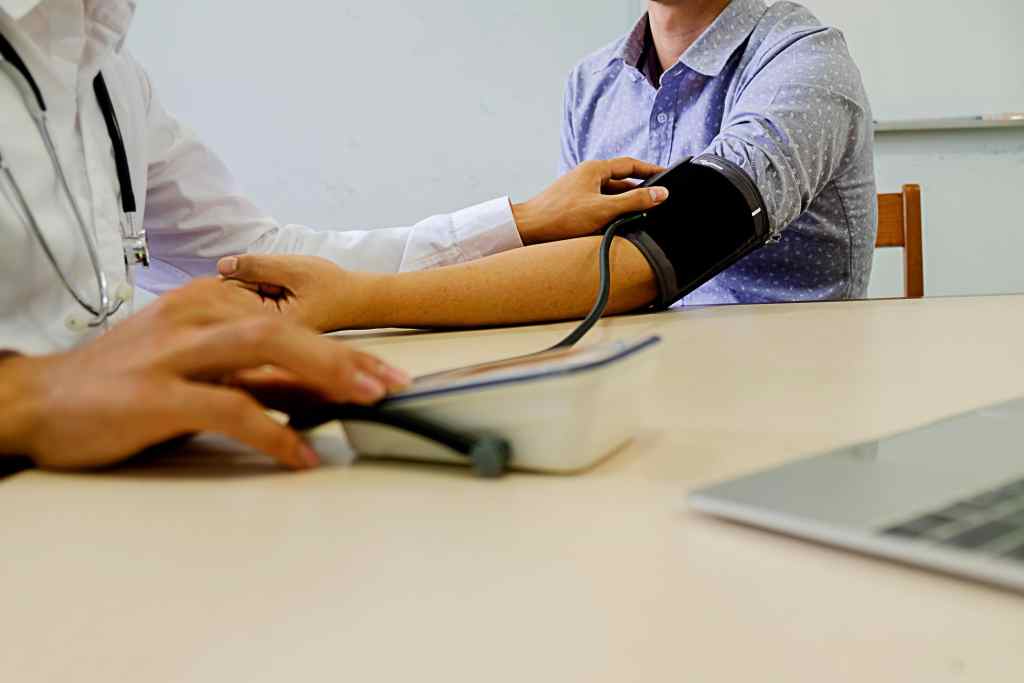
At its core, health surveillance is about spotting the early signs of work-related ill health – before it becomes something more serious. It’s a system of ongoing health checks tailored to the risks your employees face in their day-to-day roles.
Think of it as an early warning system.
If someone is exposed to noise, dust, vibration, chemicals, or even screen-time strain, occupational health surveillance helps detect any impact that exposure might be having so you can act quickly and protect them long-term.
Health surveillance isn’t the same as a general health check. Where a health check might give a snapshot of someone’s wellbeing (blood pressure, cholesterol, etc.), surveillance is risk-based. It’s designed around the specific hazards of a role, and it’s required by law in many cases under UK Health & Safety Executive (HSE) regulations.
For example, if your team uses vibrating tools, works in noisy environments, or handles hazardous substances, you may be legally obliged to monitor their health through a structured health surveillance programme.
And this isn’t just about preventing physical illness. It’s about building trust with your workforce – showing them that their safety is more than a line item. It’s a promise.
In short: Health surveillance is the proactive, role-specific monitoring of employee health focused on early detection, legal compliance, and better outcomes.

Is Health Surveillance a Legal Requirement?
In many cases, yes, health surveillance is a legal requirement in the UK.
Under regulations like COSHH (Control of Substances Hazardous to Health), the Control of Noise at Work, and the Control of Vibration at Work, employers are legally obligated to carry out health surveillance when employees are exposed to specific health risks.
Here’s the key phrase from the HSE:
“If your workers are exposed to noise, vibration, solvents, fumes, dusts, biological agents or other hazardous substances as part of their job – and there is a recognised disease or health effect linked to that exposure – then health surveillance is required.”
That obligation applies regardless of your industry. While construction, manufacturing, and logistics often top the list, retail, healthcare, and even office-based environments may also fall under these rules, especially when exposure to screen time, stress, or poor ergonomics is a concern.
A compliant health surveillance programme isn’t optional; it’s a fundamental part of your duty of care. Failure to implement it when required could leave you vulnerable to HSE investigations, fines, or worse: preventable harm to your people.
But it doesn’t need to be complicated. With the right support, health surveillance can be integrated seamlessly into your operations, minimising disruption while maximising protection.
Need clarity? A good provider will help you assess your risk profile and build a programme that meets your specific obligations, not just generic guidance.
Who Needs Health Surveillance?
One of the most common misconceptions we hear is: “Health surveillance? Isn’t that just for construction sites?”
In reality, occupational health surveillance applies to a wide range of industries – anywhere employees are exposed to risks that could harm their health over time.
Here’s how it applies across sectors:
Construction
-
- Workers exposed to silica dust, asbestos, or vibration from tools are legally required to undergo regular checks.
- HAVS (Hand Arm Vibration Syndrome) assessments, spirometry, and skin surveillance are common.
Manufacturing & Engineering
-
- Noise, fumes, solvents, and repetitive strain are common hazards.
- Employers need to consider audiometry, lung function testing, vision screening, and occupational hygiene assessments.
Logistics & Transport
-
- Drivers face risks related to fatigue, vibration, and prolonged sitting.
- Health surveillance may include musculoskeletal checks, vision assessments, and mental health support.
Healthcare & Social Care
-
- Exposure to biological agents or stress makes this sector a key candidate.
- Vaccinations, skin surveillance, and mental health monitoring may be part of a compliant programme.
Retail & Supermarkets
-
- Large workforces, often performing repetitive or physically demanding tasks, may be at risk of musculoskeletal strain.
- Surveillance can support staff retention by proactively identifying early signs of injury or ill health.
Corporate & Office-Based Sectors
-
- Less obviously risky, but screen use, stress, and poor workstation setup can lead to long-term issues.
- While not always legally mandated, vision screening and mental health tracking can form part of a robust workplace wellbeing strategy.
Education & Public Sector
-
- Rising absence related to stress and burnout makes proactive monitoring essential.
- Programmes often focus on mental health, stress resilience, and preventative care.
Aviation
-
- Pilots, cabin crew, and engineers face strict health standards due to the safety-critical nature of their roles.
- Programmes often include specialist medicals, vision and hearing tests, and fatigue monitoring to meet both CAA requirements and best practice for long-term wellbeing.
Offshore
-
- Offshore workers in oil, gas, and renewable sectors are exposed to remote, high-risk environments with hazards like noise, vibration, and chemical exposure.
- Health surveillance typically involves comprehensive fit-for-work assessments, regular spirometry and audiometry, as well as mental health support given the isolated working conditions.
The takeaway? If your workforce is exposed to any kind of physical, chemical, or psychological risk, it’s time to consider a structured health surveillance programme tailored to your sector.
What Does a Health Surveillance Programme Include?
A compliant health surveillance program is more than an annual check-up; it is a structured, role-specific plan designed to monitor health risks over time and identify early warning signs before they escalate.
Here’s what’s typically involved:
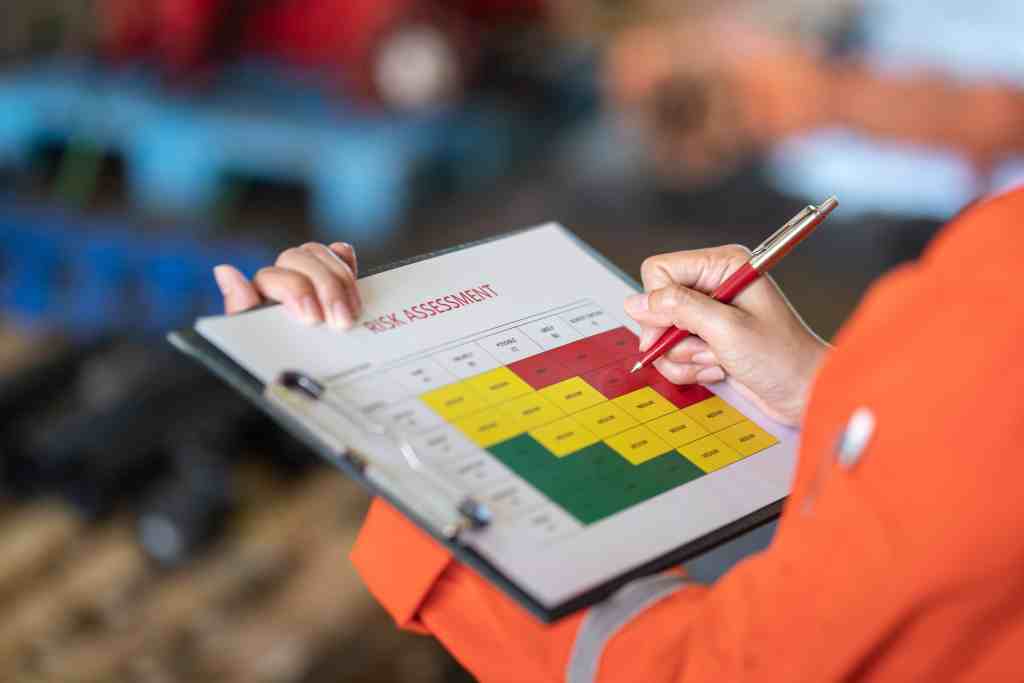
1. Risk Assessment
-
- Begins with understanding the specific exposures in your workplace – whether that’s vibration tools, solvents, prolonged screen use or manual handling.
- LATUS offers occupational hygiene assessments to help identify and quantify these risks at the source.
2. Tailored Medical Checks
Based on the risks identified, your programme might include:
-
- Audiometry: To monitor hearing damage from noise
- Spirometry: Lung function testing for dust and fumes exposure
- Skin Surveillance: For chemical or biological contact
- HAVS Testing: For vibration-related damage
- Vision Screening: For safety-critical or desk-based roles
- Blood Lead Testing: For exposure to heavy metals
- Biological Monitoring: Covering solvents and hazardous agents
All of these are core services offered by LATUS and can be delivered onsite through the UK’s largest fleet of Mobile Health Units, reducing disruption to your operations.
For remote or hybrid teams, employees can also access assessments through YODHA – our digital platform for personalised health tracking and at-home screening kits.
3. Regular Monitoring
-
- Surveillance must be repeated at appropriate intervals, usually annually or more frequently depending on the risk.
- LATUS clients benefit from centralised scheduling and reporting via our client portal, ensuring consistency and compliance across every site.
4. Follow-Up and Adjustments
-
- Abnormal results trigger timely follow-up, whether it’s additional medical review or adjustments to work practices.
- Our case management and fit-for-work services ensure action is taken swiftly and responsibly.
With LATUS, health surveillance isn’t just compliant – it’s connected, convenient, and customised to your workforce.

What Health Surveillance Looks Like in Practice
One of the biggest concerns we hear from HR teams and health and safety leads is this: “We can’t afford disruption. Whatever we bring in needs to just work.”
That’s exactly what a well-delivered health surveillance programme should do – slot seamlessly into your operations, without draining time or causing confusion.
Here’s how it works with LATUS:
Onsite Delivery with Mobile Health Units
Whether you’ve got 30 staff on one site or 3,000 spread across regions, our Mobile Health Units bring clinical-grade care to your doorstep. No travel logistics, no downtime.
Example: A manufacturing site with noise exposure books a full day of audiometry and HAVS testing. Our technicians arrive onsite, set up a mobile clinic, and screen up to 40 employees in a day – minimising disruption and ensuring compliance.
Remote and Hybrid Teams
Using YODHA, our digital health platform, employees can:
-
- Complete pre-screening questionnaires
- Book appointments
- Access test results securely
- Track personal health trends over time
And with at-home health check kits, even geographically dispersed teams stay covered, without needing to visit a clinic.
Streamlined Scheduling and Support
Your dedicated account manager handles:
-
- Scheduling across multiple sites or shifts
- Coordinating specialist medicals
- Uploading documentation to your client portal
- Keeping track of rechecks and follow-ups
You stay in control, without doing the chasing.
Clear Reporting and Actionable Insights
All results are stored securely and made available through your portal. If anything’s flagged, our clinical team follows up directly, guiding you on the next steps – whether that’s a fit-for-work decision, adjustments, or further investigation.
In practice, health surveillance should feel like one less thing on your to-do list, not another project to manage.

How to Choose the Right Provider
When it comes to occupational health surveillance, the provider you choose matters – because it’s not just about checking boxes. It’s about trust, reliability, and making sure your team is genuinely protected.
Here’s what to look for:
1. Sector-Specific Understanding
Your provider should understand the unique risks of your industry – whether that’s silica dust on a construction site, HAVS in manufacturing, or mental health stressors in a corporate setting.
At LATUS, our team includes specialists with deep knowledge across sectors like construction, logistics, healthcare, and education. Every programme is built around your specific needs – not a one-size-fits-all checklist.
2. End-to-End Service
Look for a provider that can cover everything from initial risk assessments to follow-up and case management. It saves you from managing multiple vendors and keeps your compliance watertight.
With LATUS, services like spirometry, audiometry, biological monitoring, and vision screening are all handled in-house, with nationwide coverage and mobile delivery built-in.
3. Minimal Disruption
Health surveillance should work around your operations, not the other way around. Providers should offer flexible delivery (onsite, offsite, or digital) and coordinate everything.
Our Mobile Health Units and YODHA platform make it easy to deploy services to any location or schedule.
4. Transparency and Reporting
You’ll need clear, compliant records and fast. A good provider will offer secure digital portals, easy access to reports, and clear next steps when action is needed.
LATUS clients benefit from a dedicated client portal, with proactive alerts and support to keep your records up to date and your team safe.
5. Responsive, Human Support
When you have a question – or something goes wrong – you want fast, reliable answers. Look for providers that offer direct support, not automated responses.
Our team includes dedicated account managers, responsive clinicians, and tech support to keep things moving smoothly.

Next Steps: Putting Health Surveillance Into Action
Health surveillance might feel complex at first glance, but with the right support it becomes one of the most straightforward and impactful steps you can take to protect your people and your business.
If you’re unsure where to begin, start with a simple internal question:
“What risks are our people exposed to – and are we monitoring them properly?”
From there, it’s about clarity:
-
- Do you have a current risk assessment?
- Are you confident you’re meeting your legal obligations?
- Do your current health checks align with actual workplace hazards?
Whether you’re starting from scratch or improving an existing setup, a good provider should walk you through the process – not leave you guessing.
The Right Health Surveillance Partner
When you understand what health surveillance is – and how it should work – you’re not just ticking a compliance box. You’re building a safer, stronger, and more supportive workplace.
You don’t have to figure it out alone. With the right partner, health surveillance becomes a simple, proactive part of how you take care of your team.
At LATUS, we make workplace health easier to manage, more meaningful for employees, and fully compliant – so you can move forward with confidence.

Interested in speaking to an Occupational Health expert?
Complete our enquiry form and a member of the team will be in touch
