

As we mark World Asthma Day, it’s essential to spotlight occupational asthma. A preventable yet impactful condition affecting thousands of UK workers. As an occupational health provider, we recognise the critical role employers play in safeguarding respiratory health and fostering safer work environments.
“Approximately 15% of adult-onset asthma is estimated to have been caused by occupational exposures” British Thoracic Society
Occupational asthma is a form of asthma directly caused by inhaling substances in the workplace, such as dust, fumes, or chemicals. This differs from work-aggravated asthma, where existing asthma symptoms worsen due to workplace exposures. Common culprits include flour dust in bakeries, isocyanates in vehicle paint spraying and latex in healthcare settings. Visit Asthma + Lung UK for a comprehensive breakdown of triggers and industries affected.
High Risk Occupations and Substances
Certain jobs and substances are more commonly associated with occupational asthma:
High-Risk Occupations:
- Paint sprayers
- Bakers and pastry maskers
- Healthcare workers
- Chemical workers
- Animal handlers
- Welders and metal workers
- Food processing workers
- Timber workers
- Agricultural workers

“Occupational exposures account for around one in six cases of asthma in adults of working age.” British Thoracic Society
The UK Landscape: Key Statistics
- Prevalence: Occupational asthma accounts for around 1 in 6 cases of adult-onset asthma.
- Workforce Impact: 55% of people with a lung condition reported flare-ups at work, while 43% had taken time off and more than 11% had reduced their working hours due to their condition.
- Economic Consequences: Occupational asthma accounts for about one third of compensation cases in the food industry under the Department for Work and Pensions Industrial injuries Scheme.
- Employment Challenges: Studies reveal that up to one third of workers diagnosed with occupational asthma are unemployed six years post-diagnosis, underscoring the conditions longterm impact on livelihoods.
Proactive Measures for Prevention
To mitigate risk of occupational asthma:
- Conduct Regular Risk Assessments: Identify potential respiratory hazards in the workplace.
- Enhance Ventilation Systems: Ensure adequate airflow to dilute airborne contaminants.
- Implement Substitution Strategies: Replace hazardous substances with safer alternatives where feasible.
- Provide Training and Education: Educate employees about the risks and prevention strategies related to occupational asthma.
- Establish Health Surveillance Programs: Monitor employees’ respiratory health to detect early signs of occupational asthma.
Supporting Affected Employees
Early intervention is vital. Employees exhibiting symptoms should be encouraged to seek medical evaluation promptly. Employers can facilitate this my providing access to occupational health services and supporting necessary workplace adjustments.
Employers should:
- Offer flexible work adjustments
- Avoid exposure risks
- Maintain a supportive, informed environment
How We Can Help | Spirometry (Lung Function) Testing
At Latus Group, we offer specialised spirometry testing as part of our occupational health surveillance services. Using chemicals or other hazardous substances at work if not managed properly can be dangerous to an employee’s health, so the law requires employers to control and measure exposure to prevent ill health from occurring.
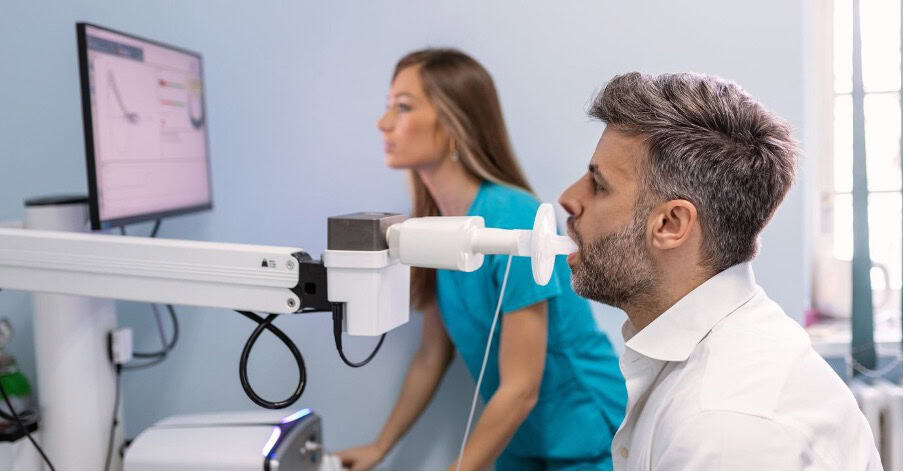
What is spirometry?
Spirometry is a straightforward yet powerful test that assesses lung function by measuring how much air a person can inhale and exhale, and how quickly they can exhale it. It plays a critical role in identifying respiratory conditions such as asthma, chronic obstructive pulmonary disease (COPD), and other lung-related disorders. In occupational settings, spirometry helps detect early signs of lung impairment, enabling prompt action and reducing long-term health risks.
What we can provide:
- On-site spirometry testing using calibrated equipment
- Interpretation by trained technicians to detect abnormalities early
- Workplace respiratory health monitoring as part of routine health surveillance
- Clear reporting for both employer compliance and employee wellbeing
Employers have a legal duty under the Control of Substances Hazardous to Health (COSHH) Regulations 2002 to monitor the health of workers exposed to hazardous substances. Spirometry testing plays a key role in fulfilling this obligation by enabling businesses to proactively monitor lung function over time, helping to identify any changes early and maintain COSHH compliance.
To learn more or arrange spirometry testing for your organisation, please visit our Spirometry Services page.

Interested in speaking to an Occupational Health expert?
Complete our enquiry form and a member of the team will be in touch
