


One of the most common questions employers and employees ask is: are Occupational Health consultants doctors?
In practice, the answer is sometimes — but not always. In the UK, Occupational Health services are delivered by a multidisciplinary team, where doctors, nurses, and allied health professionals each play a defined role in supporting safe, healthy work.
Understanding who delivers Occ Health, or OH, — and why — helps employers make informed decisions, manage risk, and meet their legal responsibilities.
What Is Occupational Health?
Occupational Health is a specialist medical discipline focused on how work affects health, and how health affects work. Importantly, it acts as an independent, clinical bridge between employer and employee.
Rather than diagnosing or treating illness in the way a GP would, OH professionals assess:
-
Fitness for work
-
Work-related health risks
-
Reasonable workplace adjustments
-
Safe return-to-work options
As a result, advice is always objective, evidence-based, and workplace-focused.
Are Occupational Health Consultants Doctors?
The short answer
Some are doctors — many are not.
OH services in the UK are delivered by a range of qualified clinicians, each working within their professional scope.
Common Occupational Health professionals include:
-
OH physicians (medically qualified doctors)
-
OH nurses (with specialist OH training)
-
Physiotherapists (particularly for MSK cases)
-
Occupational therapists
-
Clinical psychologists or counsellors
-
Ergonomic specialists
-
Occupational hygienists (exposure and risk specialists)
Therefore, an OH consultant may be a doctor, but they may just as often be a specialist nurse or allied health professional.
When Is an Occupational Health Doctor Required?
Occ Health doctors are typically involved in more complex or higher-risk cases, such as:
-
Long-term sickness absence
-
Fitness-for-work decisions in safety-critical roles
-
Complex medical conditions
-
Ill-health retirement or capability assessments
-
Cases requiring clinical interpretation of medical evidence
However, many routine assessments can be safely and effectively completed by OH nurses, under established clinical governance.
How Occupational Health Differs from a GP
Although both are healthcare professionals, their roles are very different.
| GP | Occupational Health |
|---|---|
| Diagnoses and treats illness | Assesses impact of health on work |
| Patient advocate | Independent adviser |
| Focuses on clinical care | Focuses on work capability and adjustments |
As a result, Occ Health advice complements — rather than replaces — primary care.
What Happens During an Occupational Health Assessment?
An Occ Health assessment is designed to provide practical, job-relevant guidance to employers.
Depending on the role and risks, this may include:
-
Health questionnaires and clinical interviews
-
Musculoskeletal assessments
-
Respiratory health checks
-
Audiometry (hearing tests)
-
Vision screening
-
Blood pressure checks
-
Skin surveillance
-
Mental health or stress risk assessments
-
Vibration exposure screening
Importantly, assessments are always proportionate to the role and aligned with UK guidance from bodies such as the Health and Safety Executive and relevant legislation.
You can learn more about this process in Latus Group’s guide to workplace health surveillance services:
Why Occupational Health Matters for UK Employers
Providing access to OH helps employers to:
-
Reduce sickness absence
-
Support safe returns to work
-
Meet duties under the Health and Safety at Work etc. Act 1974
-
Comply with the Equality Act 2010 around reasonable adjustments
-
Demonstrate proactive duty of care
In addition, early intervention often prevents short-term issues from becoming long-term absence.
Guidance from the National Health Service also recognises the importance of work as a determinant of health.
Legal and Compliance Considerations
OH advice supports compliance with key UK regulations, including:
-
Health and Safety at Work etc. Act 1974
-
Control of Substances Hazardous to Health (COSHH)
-
Management of Health and Safety at Work Regulations
-
Equality Act 2010
HSE guidance on managing health risks at work is available here
How Latus Group Delivers Occ Health Support
At Latus Group, services are delivered by appropriately qualified clinicians, matched to the needs of each assessment.
This includes:
-
OH nurses for routine case management
-
OH doctors for complex or safety-critical cases
-
Integrated MSK, mental health, and health surveillance support
All services are delivered under robust clinical governance and aligned with UK regulatory standards.
Explore related services:
-
Management referral assessments
https://latusgroup.co.uk/management-referrals/ -
Absence management support
https://latusgroup.co.uk/absence-management/ -
Mental health workplace services
https://latusgroup.co.uk/mental-health-at-work/
Key Takeaway for Employers
OH consultants are not always doctors — and that is by design.
Instead, UK Occupational Health relies on a team-based approach, ensuring employees receive the right level of expertise, while employers receive clear, practical, and legally compliant advice.
Choosing a reputable provider ensures assessments are carried out by the right professional for the right situation.
If you’d like to understand how Occupational Health could support your organisation, a confidential discussion with an experienced provider is often the best starting point.
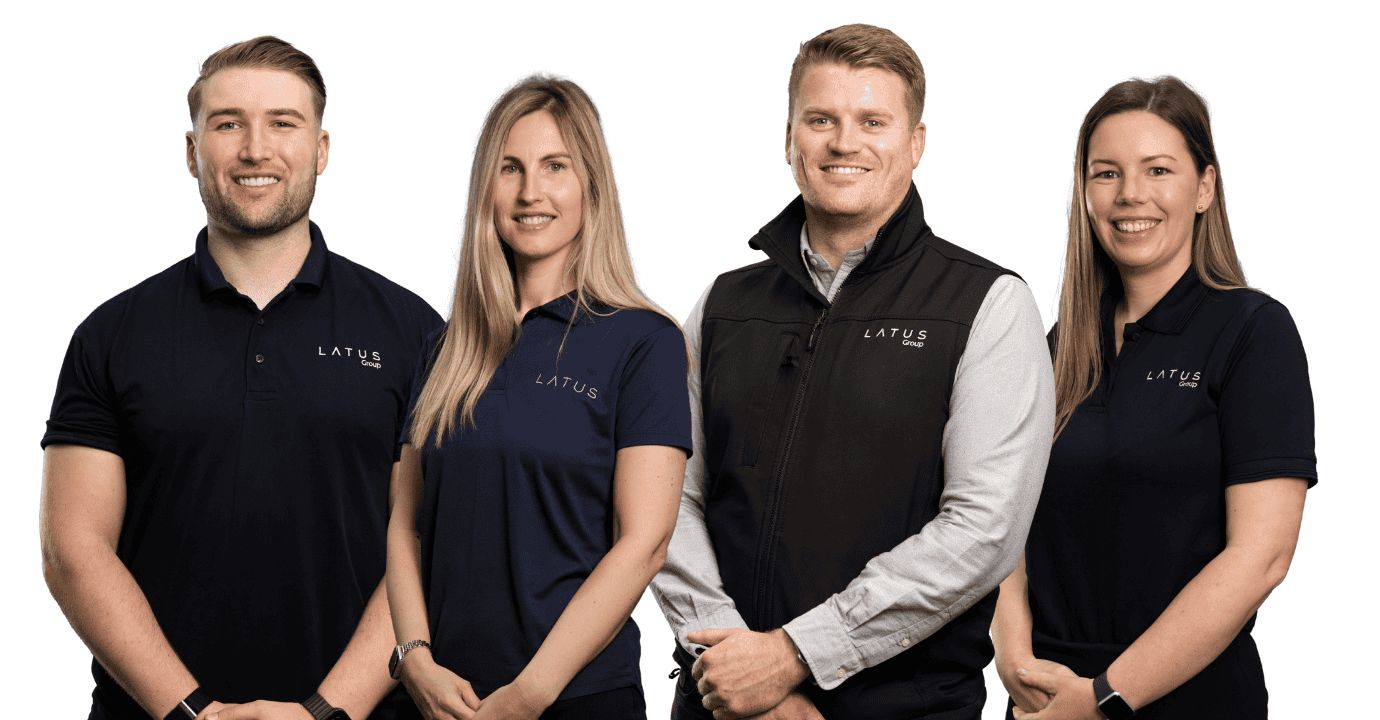
Interested in speaking to an Occupational Health expert?
Complete our enquiry form and a member of the team will be in touch
