

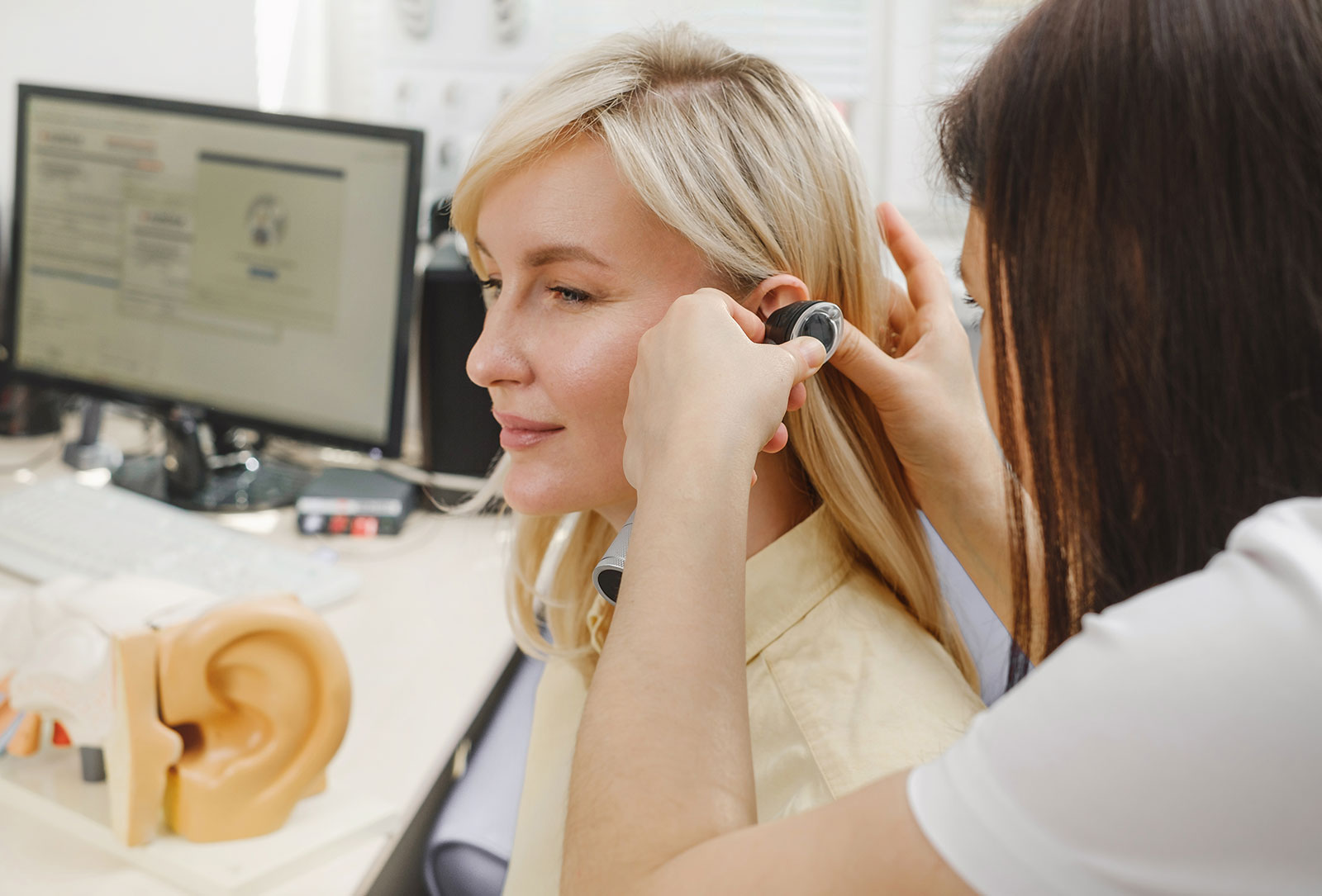
Audiometry Explained: Everything you need to know about Occupational Health
Audiometry plays a critical role in protecting workers from noise-induced hearing loss and supporting employers with their occupational health responsibilities. In the UK, exposure to hazardous noise remains one of the most common workplace risks. As a result, Audiometry hearing tests are a key part of effective health surveillance for many industries, including manufacturing, construction, logistics, aviation and engineering.
In this guide, we explain what audiometry is, why it matters to employers, how it links to UK legislation, and how it fits into a wider occupational health strategy.
What is audiometry in occupational health?
Audiometry is a hearing test used within occupational health to measure an individual’s ability to hear different tones and frequencies. In practice, it helps identify early signs of hearing damage that may be caused or worsened by workplace noise exposure.
Importantly, audiometry is not a diagnostic medical test. Instead, it is a screening tool that supports employers in monitoring hearing over time and identifying trends that may indicate a workplace risk.
How does a hearing test work?
During a standard workplace hearing test, the employee wears headphones and listens to a series of tones played at varying volumes and frequencies. They respond when a sound is heard, allowing the practitioner to plot a hearing threshold chart (audiogram).
The process is:
-
Non-invasive
-
Quick to complete
-
Suitable for on-site or clinic-based delivery
As a result, audiometry is well suited to routine health surveillance programmes.
Why audiometry matters for UK employers
Noise-induced hearing loss is permanent, progressive and entirely preventable. However, once damage occurs, it cannot be reversed. Therefore, early detection is essential.
For employers, audiometry helps to:
-
Identify early hearing changes before permanent damage occurs
-
Assess whether existing noise controls are effective
-
Demonstrate compliance with UK health and safety law
-
Reduce long-term absence, claims and productivity loss
In addition, proactive hearing surveillance supports employee wellbeing and reinforces a positive safety culture.
Legal responsibilities around workplace noise
UK employers have clear duties when employees are exposed to noise at work. Under the Control of Noise at Work Regulations 2005, action is required where exposure exceeds specific thresholds.
In summary, employers must:
-
Assess noise risks
-
Reduce exposure as far as reasonably practicable
-
Provide hearing protection where required
-
Offer health surveillance, including hearing tests, when exposure is significant
Guidance from Health and Safety Executive confirms that hearing surveillance is appropriate where there is a risk of noise-related hearing damage. Audiometry, therefore, forms a central part of compliance for many organisations.
You can read further guidance directly from the HSE on noise at work and hearing protection.
Which roles typically require hearing tests?
Although requirements depend on risk assessment outcomes, audiometry is commonly used for employees in roles involving:
-
Prolonged machinery or plant operation
-
Use of power tools
-
Work in high-noise industrial environments
-
Airside, aviation or transport settings
Where noise exposure is regular or unavoidable, ongoing hearing surveillance is considered best practice.
Audiometry as part of health surveillance
Audiometry should never be viewed in isolation. Instead, it works best as part of a structured health surveillance programme, informed by occupational hygiene data such as workplace noise monitoring.
In practice, this approach allows employers to:
-
Establish baseline hearing levels
-
Track changes over time
-
Identify patterns across teams or sites
-
Trigger further investigation if deterioration is detected
If significant changes are identified, occupational health professionals can advise on next steps, including workplace controls or referral pathways.
What hearing tests does – and does not – tell you
It is important for employers to understand the scope of audiometry.
It can:
-
Identify early hearing threshold shifts
-
Highlight potential work-related trends
-
Support compliance and risk management
However, it does not:
-
Diagnose medical hearing conditions
-
Replace specialist ENT assessment
-
Confirm the cause of hearing loss on its own
Therefore, results should always be interpreted within the wider occupational health and risk context.
How often should hearing tests be carried out?
The frequency of hearing tests depends on:
-
Noise exposure levels
-
Duration of exposure
-
Individual risk factors
-
Industry guidance
Typically, this includes:
-
A baseline test before or shortly after exposure begins
-
Regular repeat testing at defined intervals
Latus Group can advise on an appropriate schedule based on your risk assessment.
How Latus Group supports employers with audiometry
Latus Group delivers audiometry as part of comprehensive occupational health and health surveillance services across the UK. Importantly, our approach focuses on compliance, consistency and practical insight, rather than box-ticking.
Audiometry services are integrated with:
-
Occupational health assessments
-
Health surveillance programmes
-
Occupational hygiene support
-
Management referrals where appropriate
Where needed, testing can be delivered on-site or within clinical settings, helping to minimise disruption to operations.
You may also find it useful to explore our related services:
-
Occupational health assessments for employees
-
Health surveillance programmes for UK employers
-
Occupational hygiene and workplace noise monitoring
Why early action matters
Hearing damage often develops gradually. As a result, employees may not notice symptoms until significant loss has already occurred. Audiometry allows employers to intervene earlier, protecting both their workforce and their organisation.
Ultimately, effective hearing surveillance supports:
-
Legal compliance
-
Long-term workforce health
-
Reduced risk exposure
-
A proactive safety culture
Conclusion: audiometry as a cornerstone of occupational health
Audiometry remains a vital tool in occupational health for any organisation where noise exposure is present. When used correctly, it helps employers meet legal duties, protect employee wellbeing and make informed decisions about workplace controls.
By embedding hearing tests within a wider occupational health strategy, employers can move beyond compliance and towards genuine prevention.
If you would like further guidance on hearing surveillance or occupational health support, the team at Latus Group can provide expert, UK-focused advice tailored to your organisation.

Interested in speaking to an Occupational Health expert?
Complete our enquiry form and a member of the team will be in touch
