

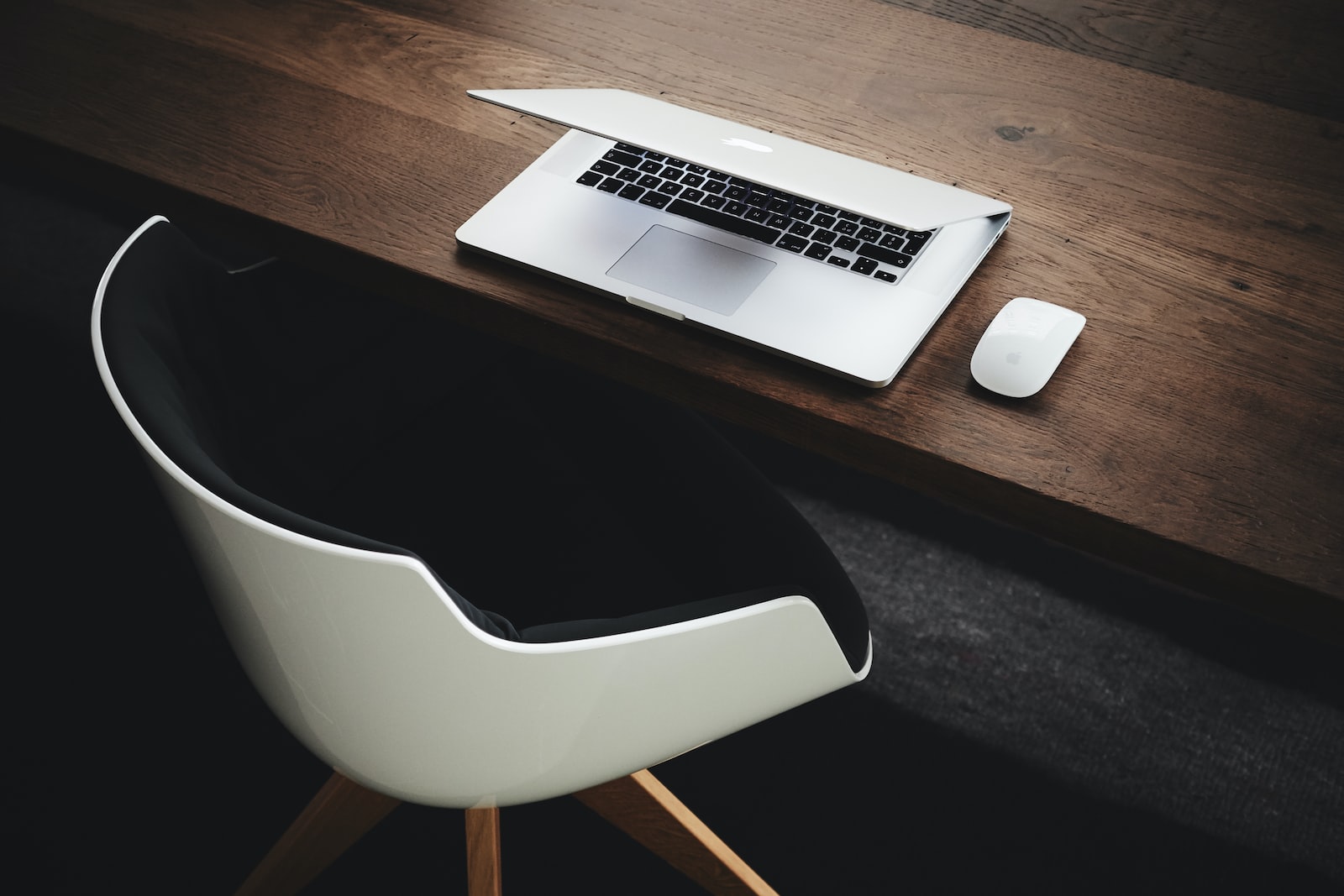
A clean, organised workspace is more than an aesthetic choice. For UK employers, the clean desk well-being link is increasingly recognised as a practical way to support focus, mental health and safe working practices. In busy offices and hybrid settings alike, the condition of an employee’s desk can influence productivity, stress levels and overall workplace culture.
At Latus Group, we regularly see how small environmental improvements contribute to healthier, more effective teams. Importantly, a tidy desk also supports good ergonomics, data security and compliance with UK health and safety expectations.
What is a clean and tidy desk?
A clean and tidy desk is a workstation that is organised, free from unnecessary clutter and maintained to a hygienic standard. In practice, this means keeping only essential items within reach, managing paperwork effectively and ensuring equipment is positioned correctly.
While it may sound simple, this approach supports clean desk well-being by reducing distractions, lowering stress and helping employees work more comfortably and safely throughout the day.
Why desk organisation matters in UK workplaces
Improved focus and productivity
Clutter competes for attention. As a result, employees working at disorganised desks often find it harder to concentrate and prioritise tasks. Conversely, an orderly workspace helps the brain process information more efficiently.
Therefore, maintaining a clean desk can support sustained focus, quicker decision-making and improved output, particularly in high-pressure or administrative roles.
Reduced stress and mental overload
A cluttered environment can feel overwhelming, especially during busy periods. Research consistently shows that visual disorder increases cognitive load and stress responses.
However, a tidy desk promotes a sense of control and calm. This is a key contributor to clean desk well-being, particularly for employees managing tight deadlines or complex workloads.
Positive impact on mood and morale
Workspaces influence how people feel at work. A clean, organised desk is visually calmer and more professional, which can improve mood and job satisfaction.
In addition, when organisations encourage tidy workspaces, it reinforces a culture of care and respect for the working environment.
The link between desk hygiene and health
Supporting physical health and comfort
Desks that are cluttered often lead to poor posture, awkward reaching and restricted movement. Over time, this can contribute to musculoskeletal discomfort.
By contrast, a tidy desk allows equipment such as screens, keyboards and documents to be positioned correctly. This complements good Display Screen Equipment (DSE) practice and reduces physical strain.
You can read more about this on our DSE assessment and workstation setup guidance page on www.latusgroup.co.uk.
Reducing illness and hygiene risks
Shared workspaces and hot-desking environments require good hygiene standards. Regular desk cleaning helps reduce the spread of germs, particularly during cold and flu season.
From an occupational health perspective, clean desk well-being also supports wider sickness absence reduction strategies.
Legal and compliance considerations for employers
Under the Health and Safety at Work etc. Act 1974, employers have a duty to provide a safe working environment. While the legislation does not mandate desk tidiness, poor workstation conditions can contribute to risk.
Guidance from Health and Safety Executive highlights the importance of suitable workstations and safe systems of work. Excessive clutter may interfere with:
-
DSE compliance
-
Fire safety and clear access routes
-
Safe manual handling of documents and equipment
HSE’s DSE guidance on workstation setup provides further detail and supports the case for organised desks as part of good risk management.
Why clean desk well-being matters to employers
For employers, encouraging tidy desks is not about enforcing rigid rules. Instead, it is about enabling staff to work safely, comfortably and effectively.
As a result, benefits include:
-
Improved productivity and efficiency
-
Reduced stress-related absence
-
Better compliance with health and safety expectations
-
A more professional working environment
Importantly, these gains are achieved through low-cost, practical changes rather than complex interventions.
Practical steps to promote tidy desks at work
Set clear, proportionate expectations
Employers should explain why desk organisation matters, rather than simply instructing staff to “keep desks tidy”. Linking expectations to wellbeing, comfort and safety makes guidance more meaningful.
Provide the right tools
Storage solutions, cable management and appropriate desk layouts all support clean desk well-being. Without these, employees may struggle to keep workspaces organised.
Link desk organisation to DSE assessments
Integrating desk layout checks into DSE assessments helps identify clutter-related risks early. This also reinforces the connection between tidiness and physical health.
How Latus Group supports healthier work environments
Latus Group works with UK employers to support workplace wellbeing through practical, compliant occupational health services. This includes:
-
DSE assessments and ergonomic advice
-
Workplace wellbeing support programmes
-
Stress and mental health risk management guidance
-
Occupational health assessments aligned with UK legislation
Rather than focusing on appearance alone, we help organisations address the underlying factors that influence comfort, safety and clean desk well-being.
You can explore our occupational health services for UK employers and workplace wellbeing support solutions on www.latusgroup.co.uk.
Conclusion: small changes, meaningful impact
A clean and tidy desk may seem like a minor detail. However, when viewed through an occupational health lens, it plays a meaningful role in wellbeing, productivity and compliance.
By promoting clean desk well-being, UK employers can support healthier habits, safer workstations and a more positive working environment. With the right guidance and support, these small changes can deliver lasting benefits for both employees and organisations.
If you would like advice on improving workstation setup or wider workplace wellbeing, Latus Group can provide expert, UK-focused support.

Interested in speaking to an Occupational Health expert?
Complete our enquiry form and a member of the team will be in touch
