


The 2026 buzzword: Longevity. But how do you actually prioritise your lifespan?
In 2026, longevity has moved from niche science to everyday conversation. From headline-grabbing research to workplace wellbeing strategies, the focus has shifted from simply living longer to living better for longer. For UK employers and individuals alike, the question is no longer whether longevity matters, but how to prioritise it in a practical, evidence-based way.
Importantly, longevity is not about extreme biohacking or unrealistic lifestyle overhauls. Instead, it’s about sustainable habits, informed health choices, and proactive support that help people stay healthier, more resilient, and productive throughout their working lives.
What does longevity actually mean?
Longevity refers to both lifespan (how long you live) and healthspan (how long you live in good health). In practice, it focuses on reducing the years spent managing chronic illness, fatigue, or reduced capacity.
Rather than chasing a single “secret”, longevity is shaped by consistent lifestyle factors, early detection of health risks, and access to credible medical insight. As a result, preventative health strategies now play a far greater role than reactive treatment.
Why longevity has become a priority in 2026
Several converging trends have brought longevity firmly into focus:
-
An ageing UK workforce, with more people working later into life
-
Rising levels of burnout, stress-related illness, and metabolic conditions
-
Increased awareness of preventable long-term health risks
-
A shift from sickness absence management to prevention-led wellbeing
According to the NHS, many long-term conditions affecting working-age adults are influenced by lifestyle, stress, and early intervention. Consequently, longevity is no longer just a personal concern; it is increasingly a workplace issue.
The building blocks of a longer, healthier life
1. Understanding your health baseline
Firstly, prioritising longevity starts with knowing where you are now. Without a clear baseline, it is difficult to make meaningful improvements or spot early warning signs.
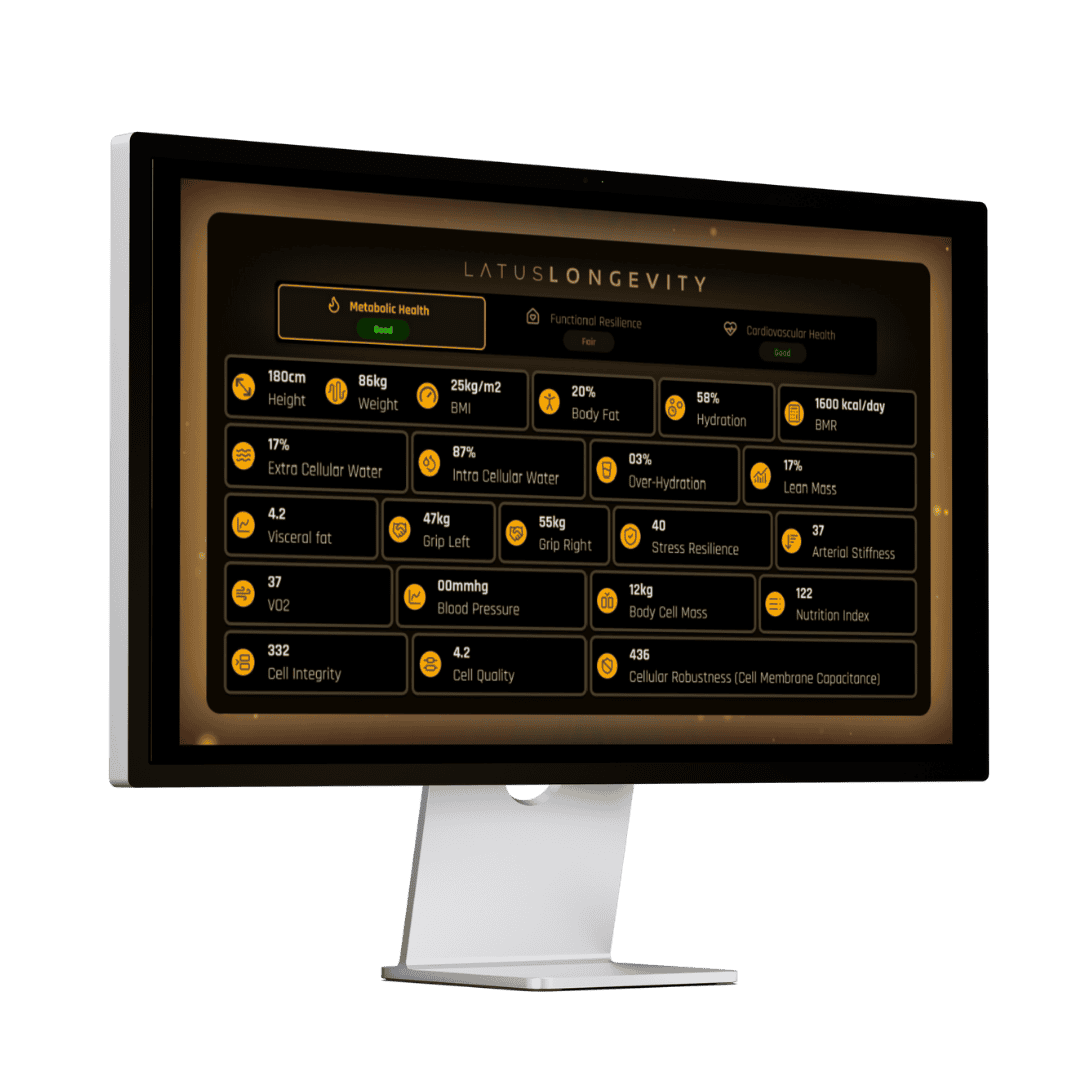
Comprehensive health checks such as the Latus Longevity assessment, including cardiovascular markers, metabolic indicators, and lifestyle risk factors, provide valuable insight. In addition, regular monitoring allows individuals to track change over time rather than relying on guesswork.
2. Reducing long-term stress and burnout
Chronic stress remains one of the biggest threats to both lifespan and workplace performance. While short-term stress can be manageable, prolonged exposure is linked to heart disease, poor sleep, weakened immunity, and mental health challenges.
Therefore, addressing workload pressures, recovery time, and psychological wellbeing is essential. From an employer perspective, this aligns closely with duty of care obligations under the Health and Safety Executive, which emphasises managing work-related stress as a health risk.
3. Prioritising movement, sleep, and recovery
Longevity research consistently highlights three non-negotiables: regular movement, quality sleep, and sufficient recovery.
In practice, this doesn’t require extreme fitness regimes. Instead, sustainable activity, good sleep hygiene, and recovery-friendly work cultures all contribute to long-term health. As a result, employers who support realistic wellbeing initiatives often see improved engagement and reduced absence.
4. Nutrition and metabolic health
Metabolic health plays a central role in longevity. Poor nutrition and unmanaged weight can significantly increase the risk of cardiovascular disease, diabetes, and fatigue-related absence.
However, longevity-focused nutrition is not about restrictive diets. Rather, it involves balanced intake, stable energy levels, and awareness of individual risk factors. Importantly, evidence-based guidance should always outweigh trends or social media advice.

Longevity is everywhere – but why now?
Over the past year, longevity has shifted from academic journals into mainstream conversation. National news outlets such as the BBC, The Independent, Daily Mail, and Daily Mirror have all spotlighted doctors and researchers sharing practical advice on how to live longer, healthier lives.
However, this growing interest is not driven by vanity or fear of ageing alone. Instead, it reflects a deeper concern about how people spend their later years. Many individuals are questioning whether longer life expectancy automatically means better quality of life — and increasingly, the answer depends on lifestyle, prevention, and early intervention.
As a result, longevity has become less about extending life at all costs and more about staying capable, independent, and mentally sharp for as long as possible.
What longevity doctors are actually saying (and what they’re not)
Despite dramatic headlines, longevity specialists are remarkably consistent in their advice. Across recent interviews and features, doctors repeatedly emphasise that there is no single “magic” intervention.
Instead, most longevity experts focus on:
-
Managing long-term stress and avoiding burnout
-
Maintaining cardiovascular and metabolic health
-
Protecting sleep quality and recovery
-
Staying physically active in sustainable ways
-
Identifying health risks early, rather than reacting late
Importantly, these clinicians are not promoting extreme routines. In fact, many actively caution against overtraining, restrictive diets, and short-term health fads. Their message is clear: longevity is built through consistency, not intensity.
This aligns closely with occupational health principles, where long-term outcomes are prioritised over quick fixes.
From anti-ageing to “ageing well”: a mindset shift
Historically, conversations about ageing were framed around anti-ageing — a concept often linked to cosmetic or superficial outcomes. Today, that narrative has changed.
Longevity discussions now centre on ageing well, which includes:
-
Preserving energy and cognitive function
-
Reducing the impact of chronic illness
-
Remaining active in work and life
-
Supporting mental resilience as demands increase
This shift explains why longevity resonates so strongly with working-age adults, not just older populations. Many people are experiencing exhaustion, stress-related symptoms, or health warnings much earlier than expected. Consequently, longevity feels relevant now, not later.
Why longevity matters more to working people than ever before
For many UK employees, the reality of longer working lives has sharpened the focus on healthspan. With rising retirement ages and economic pressures, people are increasingly aware that poor health in midlife can significantly limit future choices.
Longevity, therefore, becomes about protecting options. Staying healthy for longer supports:
-
Continued employment without decline in performance
-
Greater financial stability
-
Reduced reliance on long-term medication or intervention
-
Improved quality of life outside of work
From an employer perspective, this also reframes wellbeing. Rather than short-term perks, longevity-led thinking encourages investment in health strategies that support employees over years, not quarters.
Separating evidence from hype in the longevity space
While media coverage has helped raise awareness, it has also created confusion. Supplements, extreme fasting protocols, and wearable-driven “optimisation” are often presented as essential for longevity.
However, credible clinicians consistently stress that fundamentals matter most. Sleep, movement, nutrition, mental wellbeing, and medical oversight remain the strongest predictors of long-term health.
Therefore, a responsible longevity approach avoids hype and focuses on evidence-based, medically informed guidance — particularly when health decisions intersect with work, safety, and wellbeing.
Bringing longevity back to reality
Ultimately, the growing interest in longevity reflects a desire for control, reassurance, and sustainability in an increasingly demanding world. People are not trying to “live forever”; they are trying to live well for as long as possible.
By grounding longevity in professional health insight, realistic lifestyle changes, and preventative support, individuals and organisations can move beyond trends and focus on what genuinely makes a difference over time.
Why longevity matters to UK employers
From a business perspective, longevity directly impacts:
-
Workforce sustainability
-
Absence and presenteeism
-
Talent retention and engagement
-
Long-term productivity
Employees who maintain better health over time are more likely to remain effective, motivated, and present. Consequently, organisations that invest in preventative health are often better equipped to manage rising health-related costs.
Moreover, proactive wellbeing strategies support compliance with the Health and Safety at Work Act 1974 by helping employers reduce foreseeable health risks.
Longevity and workplace health compliance
Although longevity itself is not a regulated requirement, many of its components overlap with existing UK obligations. For example:
-
Managing stress and mental health risks
-
Supporting employees with long-term conditions
-
Making reasonable adjustments under the Equality Act 2010
-
Using occupational health advice to inform decisions
Guidance from GOV.UK and the NHS increasingly reinforces prevention, early intervention, and health education. Therefore, longevity-focused initiatives naturally complement compliant occupational health frameworks.
Practical ways to prioritise longevity at work
For employers, supporting longevity does not require a complete overhaul. Instead, effective approaches include:
-
Access to professional health assessments
-
Education around lifestyle risk factors
-
Early referral to occupational health services
-
Leadership buy-in for sustainable wellbeing cultures
When embedded properly, these steps help normalise preventative health rather than waiting for issues to escalate.
How Latus Group supports a longevity-led approach
Latus Group supports organisations and individuals through evidence-led occupational health and preventative services. Importantly, this includes structured health assessments, clinical insight, and practical recommendations that align with real working lives.
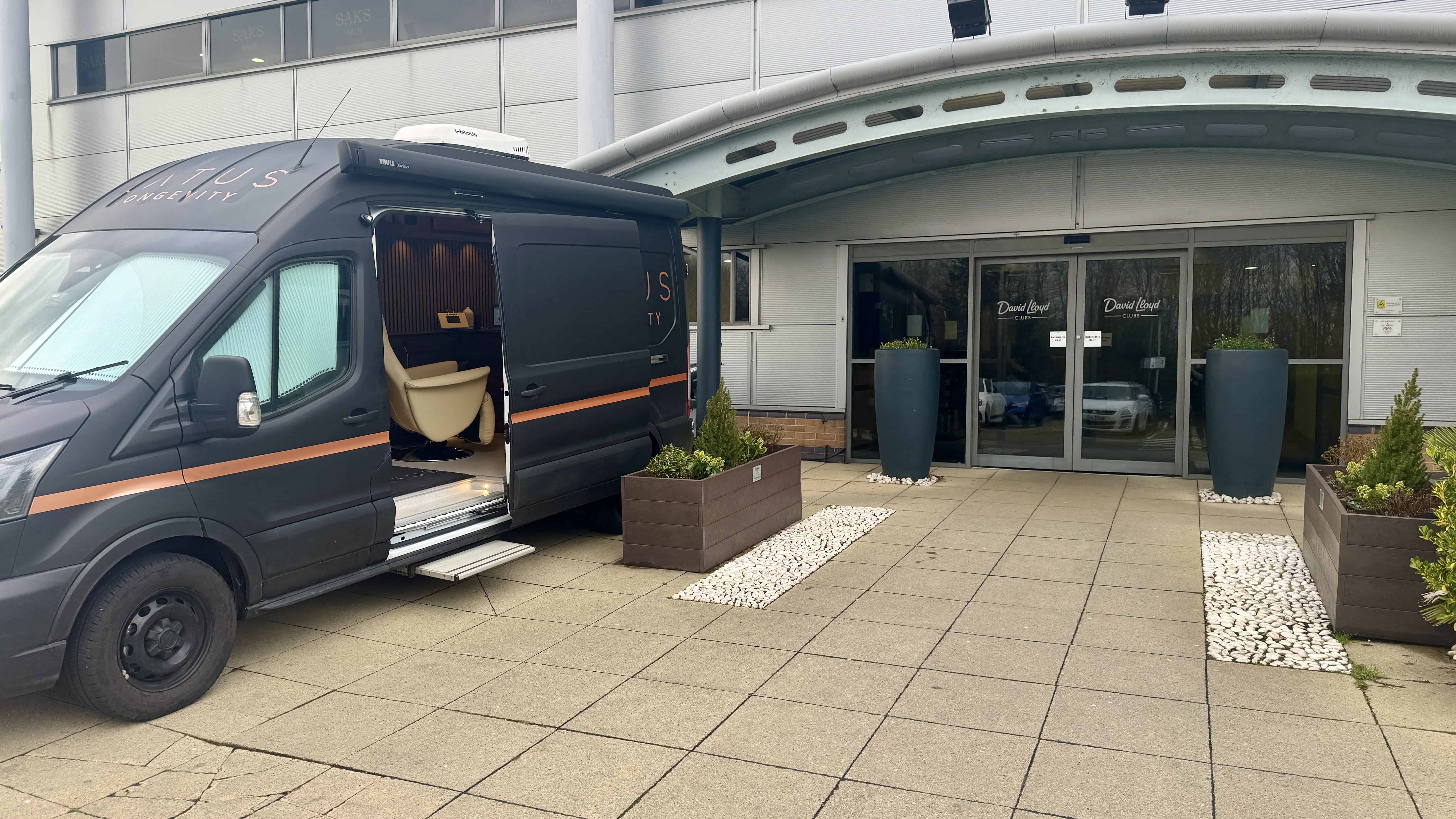
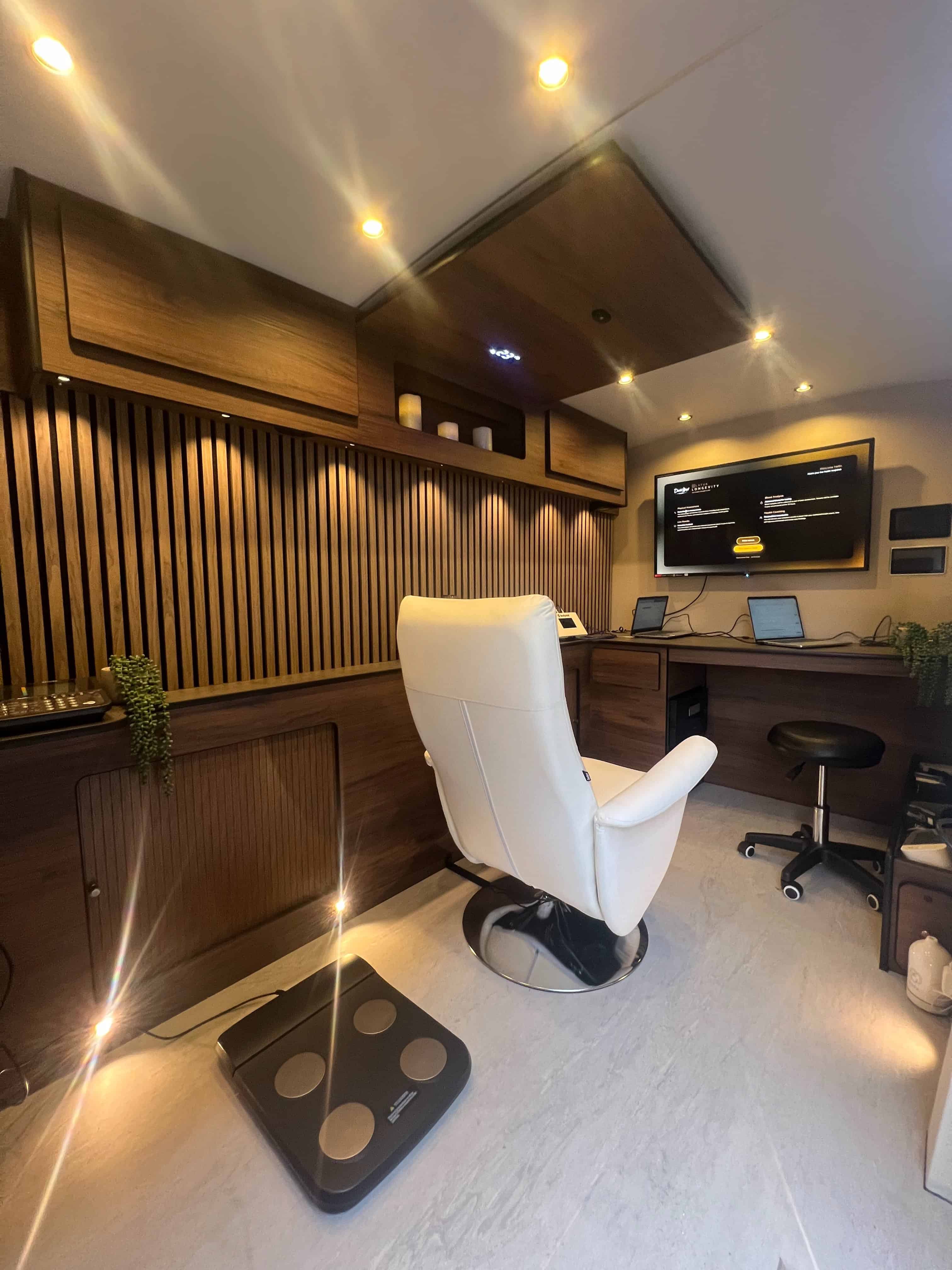
Through initiatives such as Latus Longevity, individuals gain a clearer understanding of their current health, future risks, and realistic actions they can take to protect their long-term wellbeing. Rather than focusing on trends, the approach is grounded in medical expertise, data, and sustainability. Delivered in a luxurious mobile-medical unit, Latus Longevity can be delivered on-site for workforces to be assessed during working hours, limiting disruption to the working day and providing instant results for staff.
You can explore related support through:
-
Occupational health services for employers
-
Health surveillance and preventative screening
-
Executive and leadership health assessments
-
Workplace wellbeing and risk management programmes
Each service is designed to support healthier working lives, both now and in the future.
Longevity is not a trend – it’s a strategy
In conclusion, longevity is not about adding years at any cost. Instead, it is about protecting health, capacity, and quality of life throughout a person’s career.
By focusing on early insight, sustainable habits, and professional support, both individuals and employers can take meaningful steps towards a longer, healthier future. Ultimately, prioritising longevity is an investment in people, performance, and resilience.
If you would like to explore how a preventative, longevity-led approach could support your workforce, the team at Latus Group can provide practical, UK-compliant guidance.

Interested in booking Longevity assessments for your workforce?
Complete our enquiry form and a member of the team will be in touch
